Uruguay 1930: the first World Cup in history that almost nobody wanted to attend

- The first World Cup in history was played in Uruguay in July 1930, but almost nobody wanted to attend: European teams refused to cross the Atlantic by ship and only four of them showed up
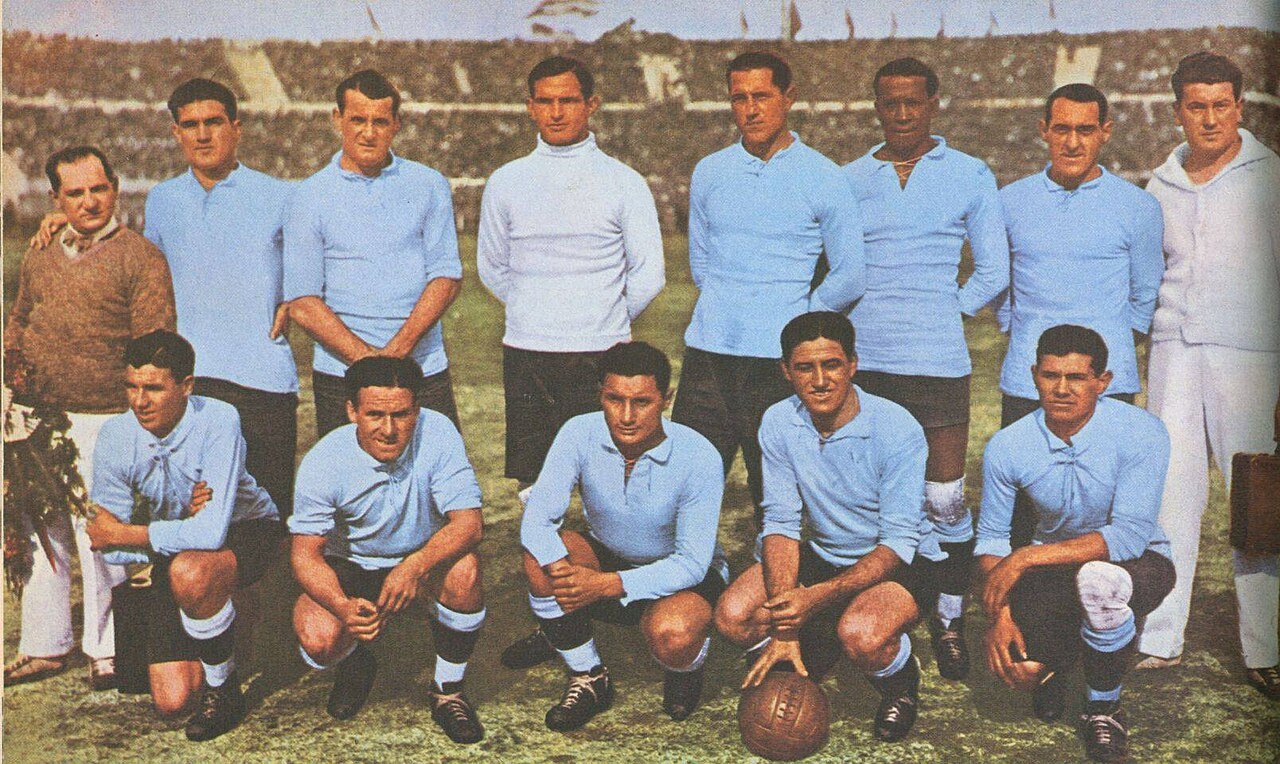
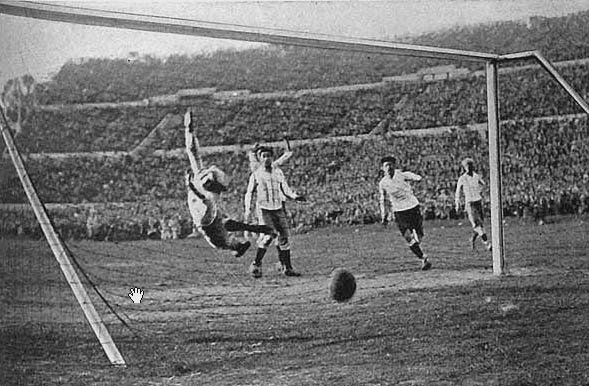
- Uruguay won the final 4-2 against Argentina at the Estadio Centenario in front of 93,000 spectators, coming from behind a 1-2 halftime deficit, which led the country to declare a national holiday the next day
- The first World Cup had only 13 participating nations, with Lucien Laurent (France) scoring the first goal and Guillermo Stábile (Argentina) the top scorer with 8 goals
Today a World Cup is the biggest thing on the planet. In 2026 we saw it across three countries, with 48 nations, a final at the MetLife and the whole world watching. Well, the first one, nearly a century ago, was pretty much the opposite: a tournament you had to beg people to come to. This is the story of how it all started.
🇺🇾 The 1930 World Cup by the numbers
- Host
- Uruguay
- Nations
- 13
- Champions
- 🏆 Uruguay
- Runners-up
- Argentina
- Final
- Uruguay 4-2 Argentina
- Stadium
- Estadio Centenario · Montevideo
- Attendance
- 68,346 - 93,000
The World Cup nobody wanted to go to
FIFA had been wanting to organise a world tournament since its foundation, and in 1930 it finally gave the job to Uruguay. It made sense: the Uruguayans were the defending Olympic champions and were also celebrating the centenary of their constitution, so they volunteered to pay for everything — travel and accommodation for all the teams included.
Even that wasn't enough. For a European in 1930, going to Uruguay meant weeks stuck on a boat, there and back, plus the tournament: two months away from home. The leagues didn't want to release their players and the federations kept saying no one after another. In the end only four European nations crossed the Atlantic: France, Belgium, Romania and Yugoslavia. With them and the teams from the Americas they scraped together 13 participants — 12 invited teams plus the hosts — split into four groups: three with three teams and one with four.
Thirteen. To give you some perspective on how much this has grown: in 2026 there were 48.
A stadium built against the clock (and unfinished)
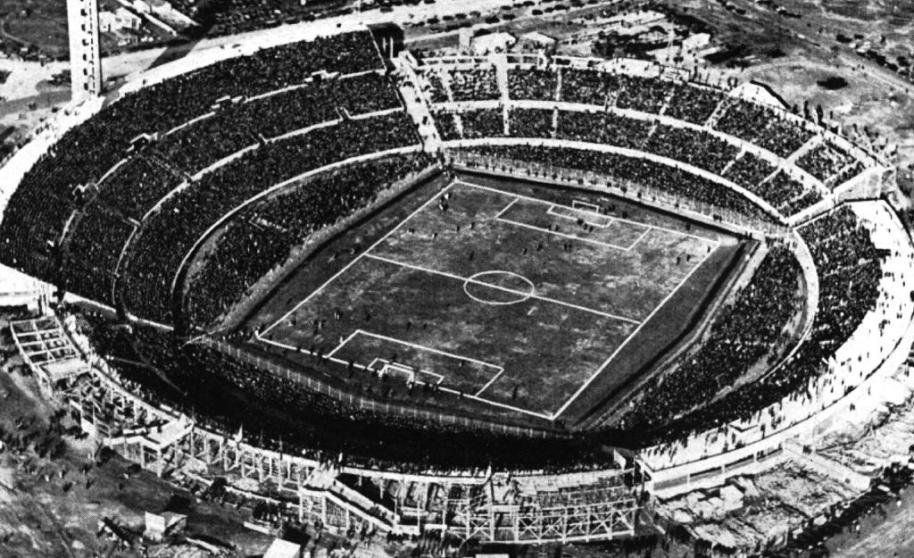
Uruguay built Estadio Centenario in Montevideo for the occasion, with a capacity of 90,000 spectators: the largest stadium in the world outside the British Isles. Jules Rimet, the FIFA president the trophy is named after, called it "the temple of football".
The detail hardly anyone mentions: it wasn't ready in time. Terrible rains fell on Montevideo before the opening and the work fell behind schedule, so the first matches of the World Cup had to be played in other grounds around the city while the flagship stadium was being finished. The first World Cup in history literally started with the builders still inside.
The first goal in World Cup history
It was scored by a Frenchman and he was no superstar: Lucien Laurent, in France's 4-1 win over Mexico, one of the two matches that opened the tournament. A guy who balanced football with his day job and who for decades owned a record no one will ever be able to take from him. The first goal of all those that came after — Pelé's goals, Maradona's goals, Messi's goals — starts with his boot.
Stábile, "The Slipstreamer": the first top scorer in World Cup history
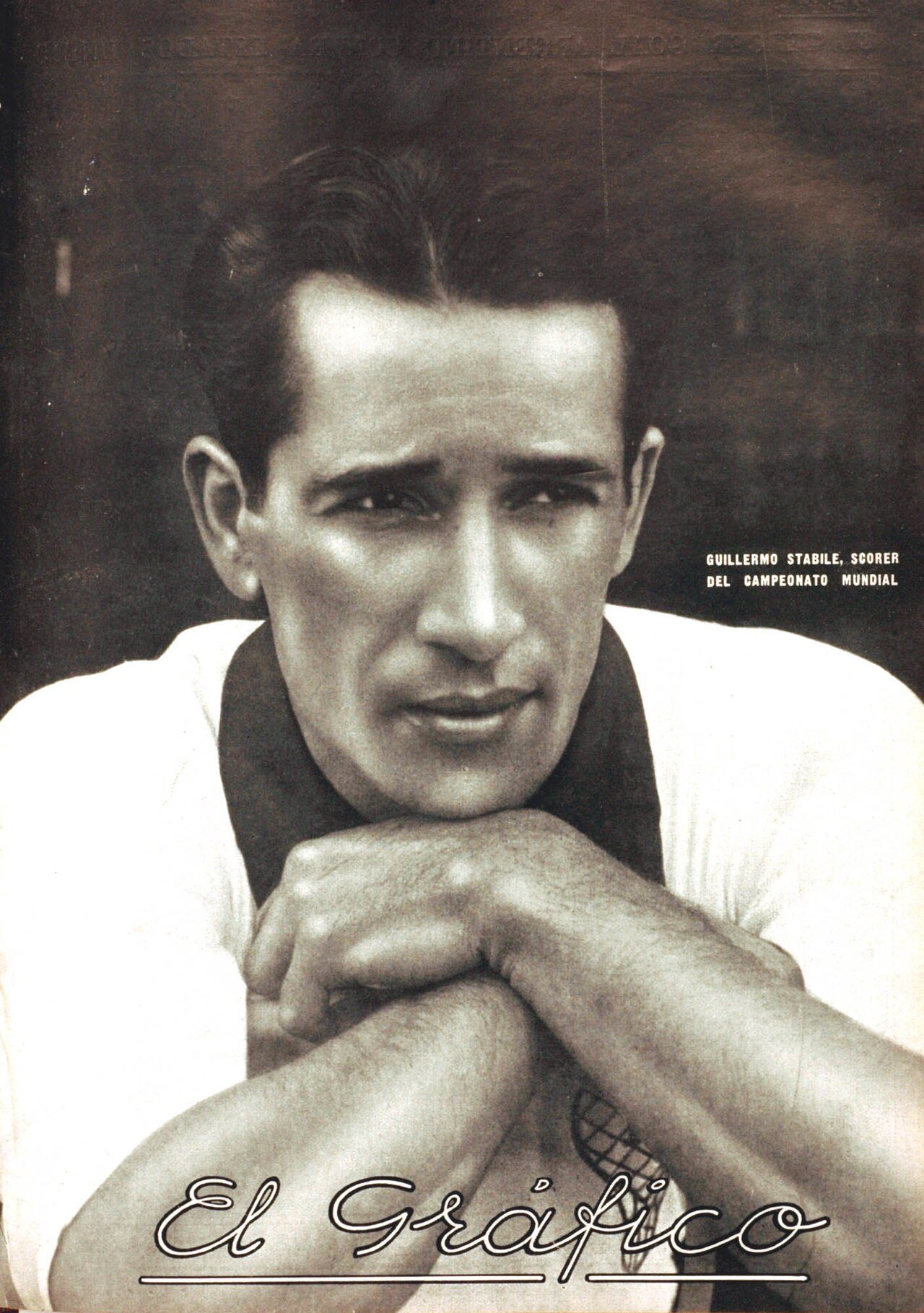
The star of the tournament was Argentine Guillermo Stábile, nicknamed The Slipstreamer for the way he slipped past the centre-backs. He finished as top scorer with 8 goals, an incredible return in a tournament of just 18 matches. Funny fact: he wasn't even an automatic starter when things kicked off.
The final: 93,000 people and a referee with a getaway boat on standby
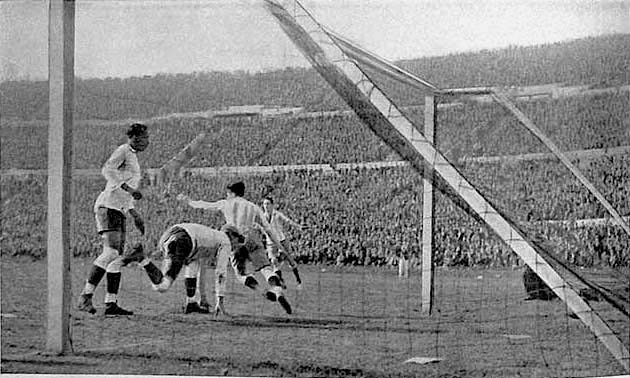
Uruguay against Argentina. The Río de la Plata Classic to decide the first world champion. And with that, you can already imagine the atmosphere.
The doors of the Centenario opened at eight in the morning, six hours before kick-off, and by noon the stadium was packed. The official attendance was 93,000 spectators. It's estimated that between 10,000 and 15,000 Argentines crossed the Río de la Plata to be there.
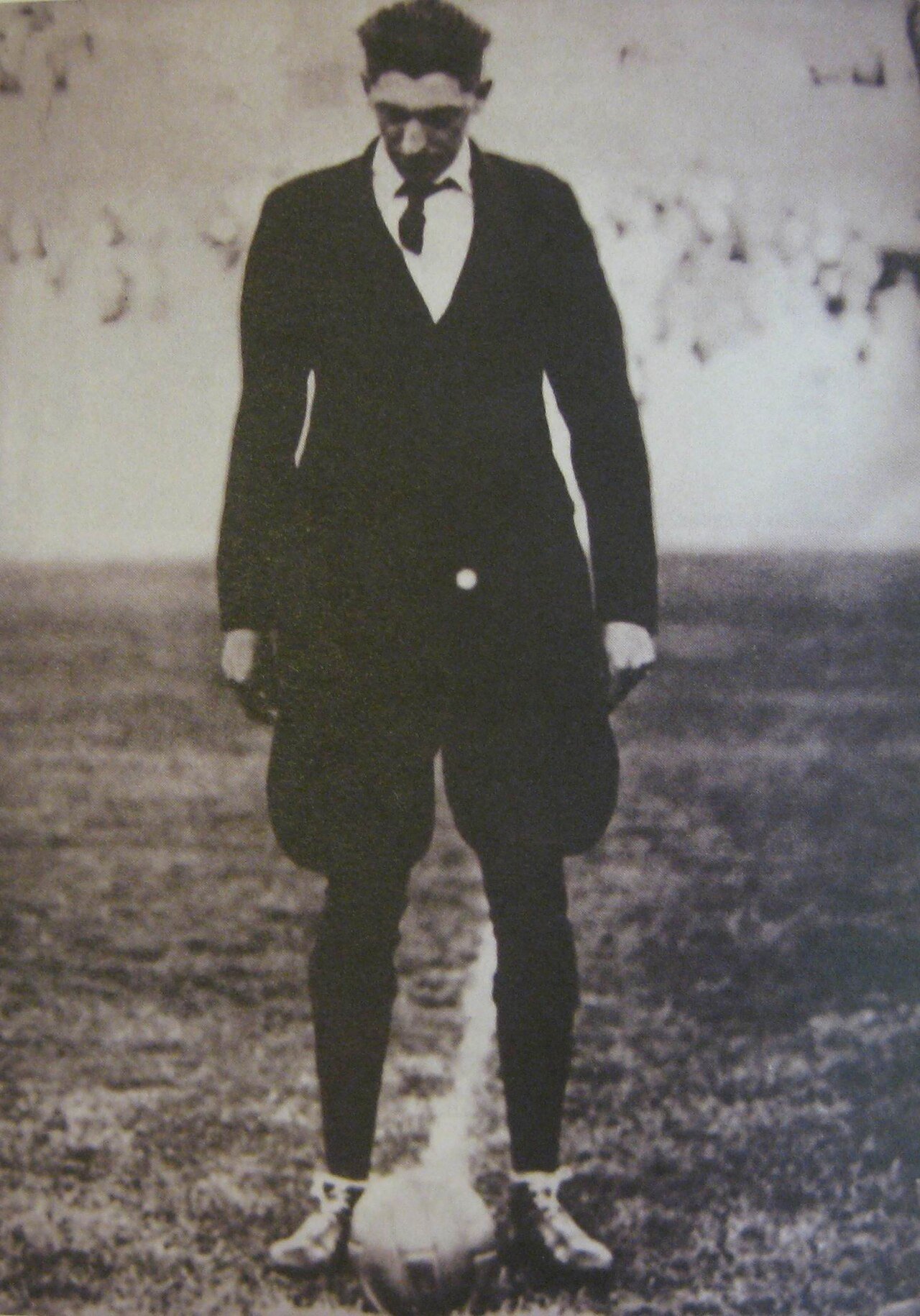
The tension was so high that the referee, Belgian John Langenus, accepted the job just hours before and set a condition that says it all: that there be a boat waiting for him at the port one hour after the final whistle, just in case he needed to make a quick exit. It's not a legend: it was his requirement to take the match.
The ball anecdote (and why you have to tell it carefully)
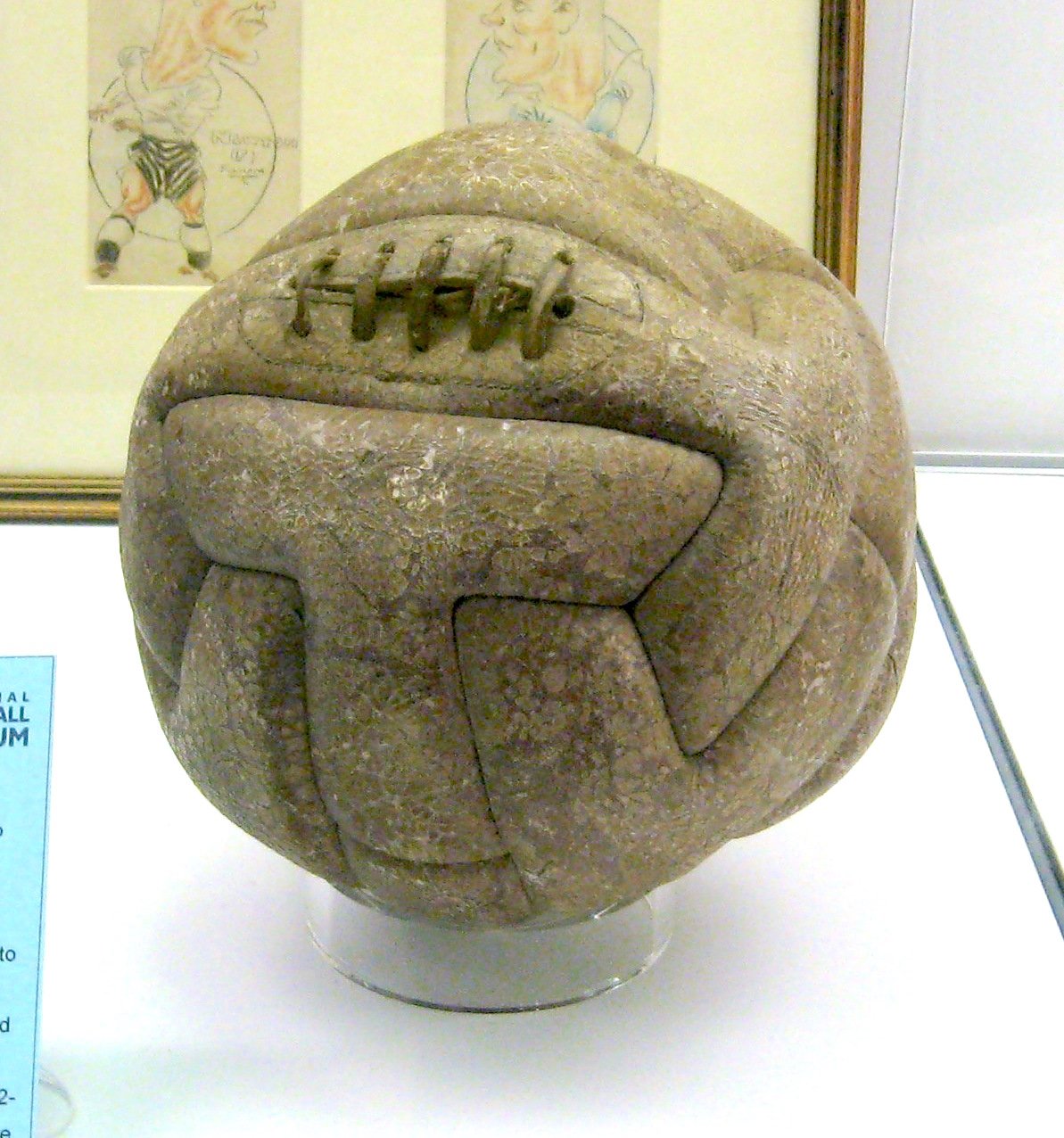
It's the story of the 1930 World Cup, the one that comes up everywhere: the two teams wanted to play with their own ball, there was no way to get them to agree, and it was decided that the first half would be played with the Argentine ball and the second half with the Uruguayan one. Argentina went into half-time winning 1-2 with theirs… and Uruguay came back in the second half with their own. Neat, right?
That the first half was played with the Argentine ball and the second half with the Uruguayan one, and that's why Argentina was winning at half-time and Uruguay came back afterwards.
That each team wanted their own ball and the referee settled it by flipping a coin. From there the sources diverge: some claim the final was played entirely with the Argentine ball and others defend the half-by-half split. What is certain is the 1-2 at half-time and the comeback to 4-2 — and how perfectly it fits with the legend is exactly what's made it so enduring.
The figure repeated everywhere is 93,000 spectators, the official attendance reported by the organisers.
That the figure is disputed. The official attendance was 93,000, but records show the actual figure was closer to 68,346. What nobody disputes: the doors opened six hours before the match and by noon there wasn't a soul left standing.
4-2 and a national holiday
Argentina went in at half-time winning, but Uruguay appeared in the second half. Final score 4-2 and the first Jules Rimet Cup stayed at home. Uruguay, already Olympic champions, became the first world champion in history.
The country celebrated in style: the day after the final was declared a national holiday in Uruguay. In Montevideo the celebrations lasted into the early hours. In Buenos Aires, meanwhile, the hangover was a different kind altogether.
What remains from that World Cup
Nearly a hundred years later, the Centenario still stands in Montevideo and FIFA has declared it a Historic Monument of World Football, the only stadium with that distinction. And that small, complicated tournament, which required dragging four Europeans over by boat, has become this: in 2026, 48 national teams, three host countries and a final that we saw with Spain lifting their second star.
From 13 teams and an unfinished stadium to that. Not bad for a start.
- Copa Mundial de Fútbol de 1930 — Wikipedia (participants, venues, tournament development and final match report)
- Anexo: Finales de la Copa Mundial de Fútbol (result, stadium and attendance of all 23 finals)
- The photos are in the public domain or Creative Commons via Wikimedia Commons; each one carries its author and licence information below.
- When two sources don't agree — attendance figures or the ball story — we mention it in the article itself rather than picking the prettier version.
Frequently asked questions
What was the first FIFA World Cup in history?
Uruguay 1930, held in July 1930 in Montevideo. It was the first World Championship organized by FIFA and was won by the hosts, Uruguay, who defeated Argentina 4-2 in the final at Estadio Centenario.
Why did only 13 teams participate in the 1930 World Cup?
Because European teams refused to cross the Atlantic by ship: the round trip plus the tournament meant roughly two months away from home, and the leagues didn't want to release their players. Despite Uruguay offering to pay for travel and accommodation, only four European teams made the crossing: France, Belgium, Romania, and Yugoslavia. With the American teams included, there were 13 participants: 12 invited teams plus the host nation.
Who scored the first goal in World Cup history?
Frenchman Lucien Laurent, in the France 4-1 Mexico match, one of the two opening games of the tournament. It was the first goal of all those that would follow in World Cup history.
Who was the top scorer at the 1930 World Cup?
Argentine Guillermo Stábile, nicknamed 'El Filtrador', with 8 goals in a tournament of only 18 matches. He wasn't even a guaranteed starter at the beginning of the championship.
Is it true that the 1930 final was played with two different balls?
It's the most famous anecdote from the tournament, but it's not proven. What is documented is that both teams wanted to play with their own ball and that Belgian referee John Langenus settled it by flipping a coin. From that point on, some sources claim the entire final was played with the Argentine ball while others argue the first half was played with the Argentine ball and the second half with the Uruguayan one. What is certain is that Argentina led 2-1 at halftime and Uruguay came back to win 4-2.
How many people watched the 1930 World Cup final?
The official attendance was 93,000 spectators at Estadio Centenario. The gates opened at eight in the morning, six hours before the match, and by noon the stadium was full. It's estimated that between 10,000 and 15,000 Argentines crossed the Río de la Plata to watch it.
Why did the referee of the 1930 final request a boat?
Because of the tension between Uruguay and Argentina. Belgian referee John Langenus accepted the assignment just hours before the match and made it a condition that a boat be available in the port one hour after the final whistle, in case he needed to leave the country immediately. He also demanded exceptional police protection.