Italy 1934: Mussolini's World Cup, the robbery of Spain and the man who played two finals for two countries

- Italy 1934 was a World Cup used by Mussolini as political propaganda for the fascist regime
- Spain was a victim of refereeing theft in the tournament, being harmed by unjust decisions during the competition
- A historic player participated in two World Cup finals representing two different countries
At the first World Cup the problem was that nobody wanted to come. Four years later the problem was the opposite: everyone wanted to come, and the hosts weren't planning to lose. Italy 1934 is the chapter where football discovers it's good for something other than playing — and it's, by far, the most uncomfortable World Cup story of all 23.
🇮🇹 The 1934 World Cup by the numbers
- Host
- Italy
- Teams
- 16
- Champions
- 🏆 Italy
- Runners-up
- Czechoslovakia
- Final
- Italy 2-1 (a.e.t.) Czechoslovakia
- Stadium
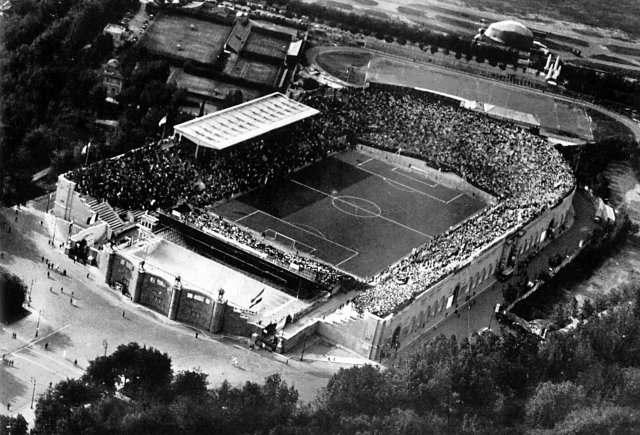
- National of the PNF · Rome
- Attendance
- over 50,000
- Top scorer
- Oldřich Nejedlý (Czechoslovakia), 5 goals
A World Cup designed as propaganda
The bid was presented by the Italian federation, but behind it was the Government of Benito Mussolini, who had been in power for twelve years and saw the tournament as what it truly was: a global shop window to sell the supposed achievements of fascism. The organizing committee spent 3.5 million lire and prepared eight venues — Bologna, Florence, Genoa, Milan, Naples, Rome, Turin and Trieste — with new or renovated stadiums. Two of them were called, without any disguise, Benito Mussolini Stadium (Turin) and National Stadium of the Fascist National Party (Rome).
The country was plastered with posters of footballers doing the fascist salute, and members of the Government and blackshirts attended Italy's matches. Pozzo, the manager, received telegrams urging him to win. This isn't a later interpretation: several of those players admitted it years later.
The champions who stayed home
Uruguay had won in 1930 and didn't show up. The reason was a pending bill: when the Uruguayans organized the first World Cup and begged the Europeans to cross the Atlantic, Italy was one of the ones who said no. So in '34 they returned the favour and didn't travel.
Nearly a hundred years later, the fact remains unchanged: Uruguay is the only World Cup winners who have never defended their title. It's only happened once in history and it was here.
The four British associations didn't go either — England, Scotland, Wales and Northern Ireland — who were feuding with FIFA at the time and doing their own thing with the British Home Championship. Argentina almost didn't go, and when they changed their mind they found that their professional clubs wouldn't release anyone: they travelled to Europe with a completely amateur team. They lasted one match.
The only World Cup where the hosts had to qualify
32 countries signed up for 16 places, so for the first time there was a qualifying phase. And here's a quirk that's never been repeated: all teams were required to qualify, including the organizers. Italy had to fight for their place in their own World Cup against Greece. They won 4-0 in Milan and the return leg was never played, but technically the hosts got through the qualifying round.
There were more organizational oddities. The last spot, for North America, was decided between the United States and Mexico… in Rome, three days before the tournament started: the US won 4-2 and kicked off the World Cup exhausted, losing 7-1 to Italy. And Egypt became the first African team in history to play in a World Cup, after eliminating a Palestine XI.
The format was also different from anything we know: no group stage. Straight knockout from the round of 16, all sixteen first-round matches on the same day at the same time. You lose and you go home. Brazil and Argentina made the boat journey to play ninety minutes.
The oriundi: how Italy signed half a team
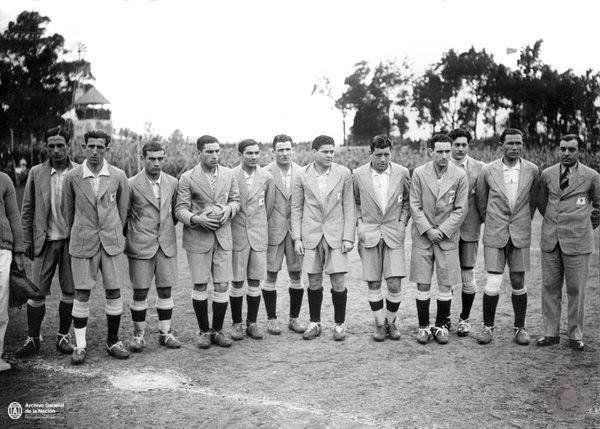
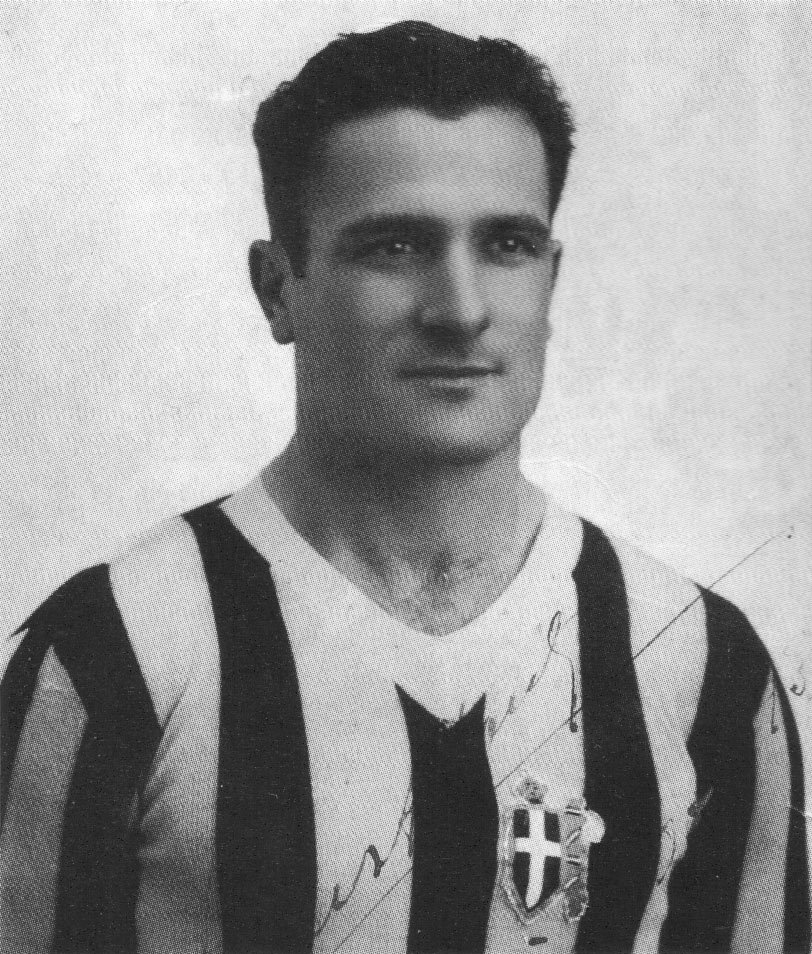
Already in 1931, even before they were handed the World Cup, Italy had opened the door to South Americans of Italian descent, the so-called oriundi. The federation convinced five of them: the Argentines Luis Monti, Raimundo Orsi, Enrique Guaita and Attilio Demaría, and the Brazilian Anfilogino Guarisi.
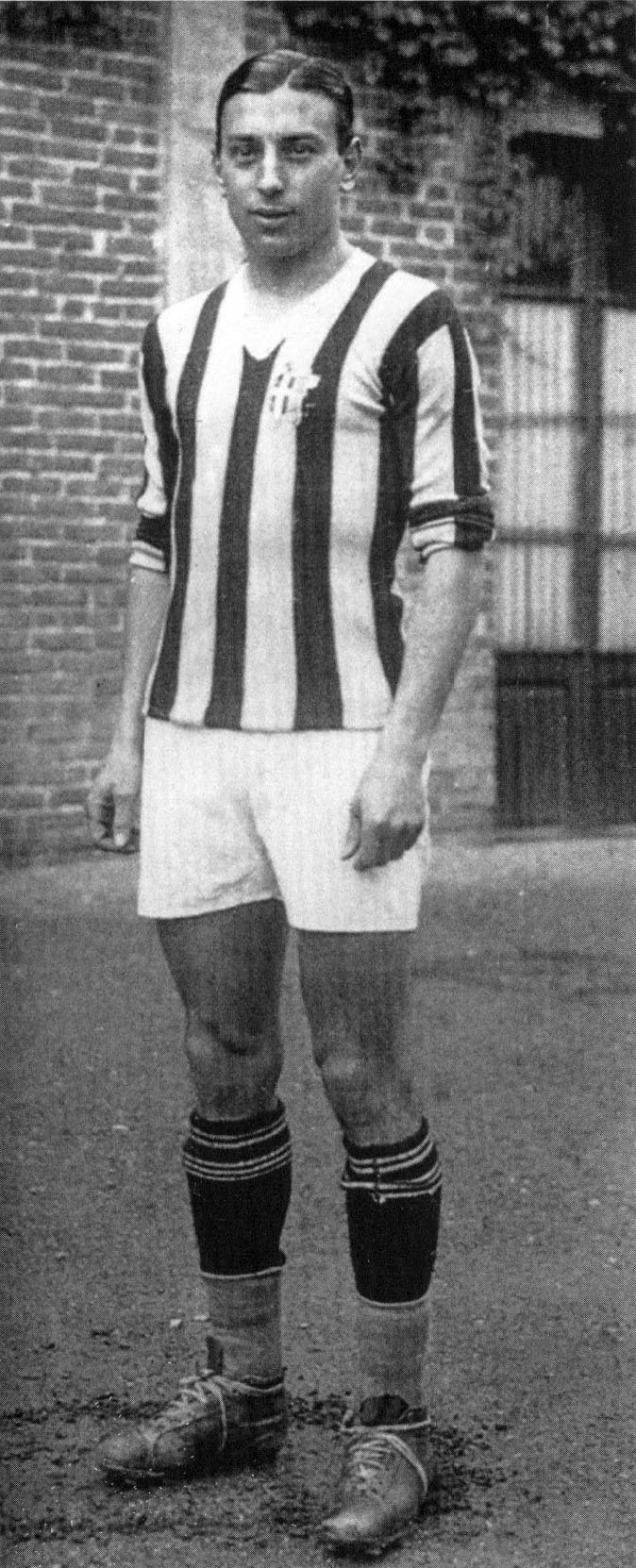
Monti's case is one for the history books. He played in the 1930 final with Argentina, lost it against Uruguay, and four years later played the 1934 final with Italy and won it. He is the only footballer in history to have played two World Cup finals with two different countries — and back-to-back at that.
That Mussolini forced several Argentine footballers to become Italian to strengthen the national team ahead of the World Cup.
That there was no force involved: they were sons and grandsons of Italians who were already playing in the calcio, they were convinced by the federation and well paid, and some even did their Italian military service. What did happen was regulatory fraud: journalist Alfredo Relaño recalls in So Many World Cups, So Many Stories that FIFA's rules at the time required three years of residency to change national teams, and neither Monti nor Demaría met that requirement — they had been international players for Argentina in July 1931. FIFA let them play anyway.
Spain: the tournament's best match, and the dirtiest
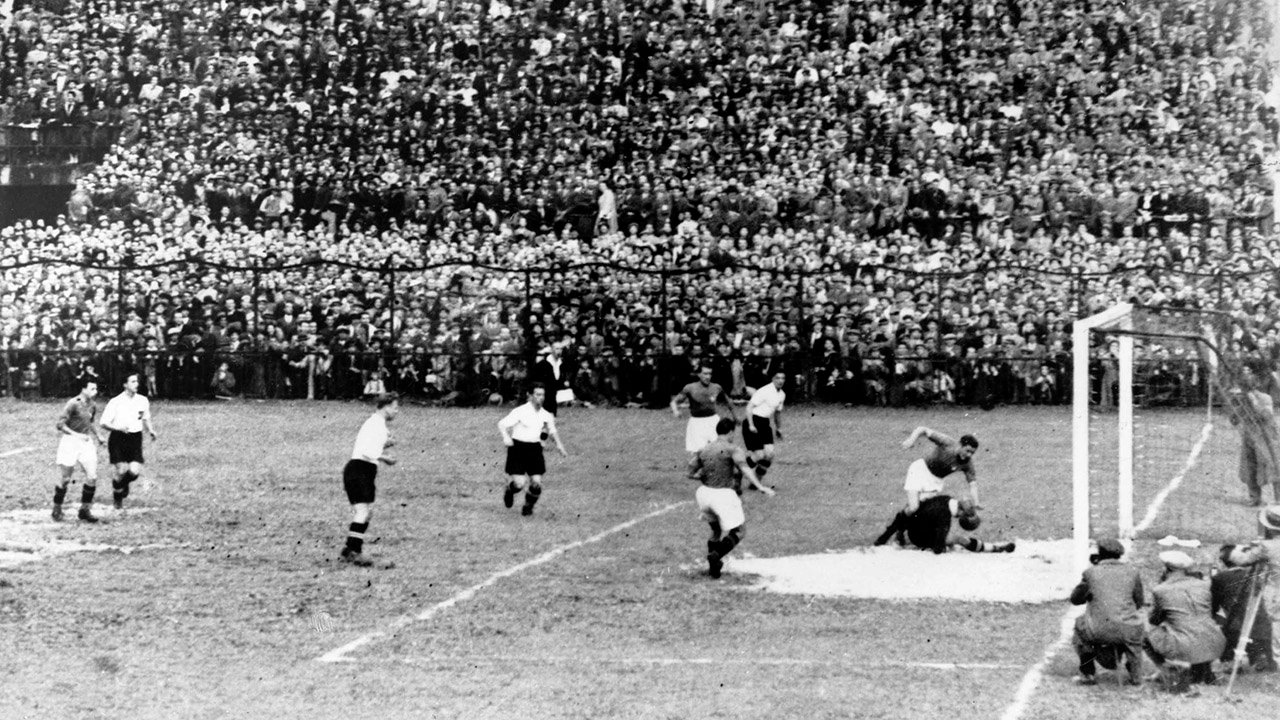
Spain arrived in strong form. In the round of 16 they knocked out Brazil 3-1 with goals from Iraragorri and Lángara, and Ricardo Zamora saved the first penalty in World Cup history. In the quarter-finals they faced Italy at Giovanni Berta in Florence, and what happened there is still talked about in Spain.
It was a brutal, physically savage match. Regueiro put Spain ahead just after the half-hour, Ferrari equalized before the break and extra time didn't budge the 1-1. With no penalty shootouts, they had to replay the match the next day.
And that was that. Seven of Spain's eleven starters couldn't play in the replay due to injury or exhaustion. Among them Zamora, with two broken ribs. Italy won 1-0 with a goal from Meazza in which Spain claimed a foul on the goalkeeper, and Swiss referee René Mercet also disallowed two Spanish goals, from Regueiro and Quincoces.
The semi-final against the Wunderteam
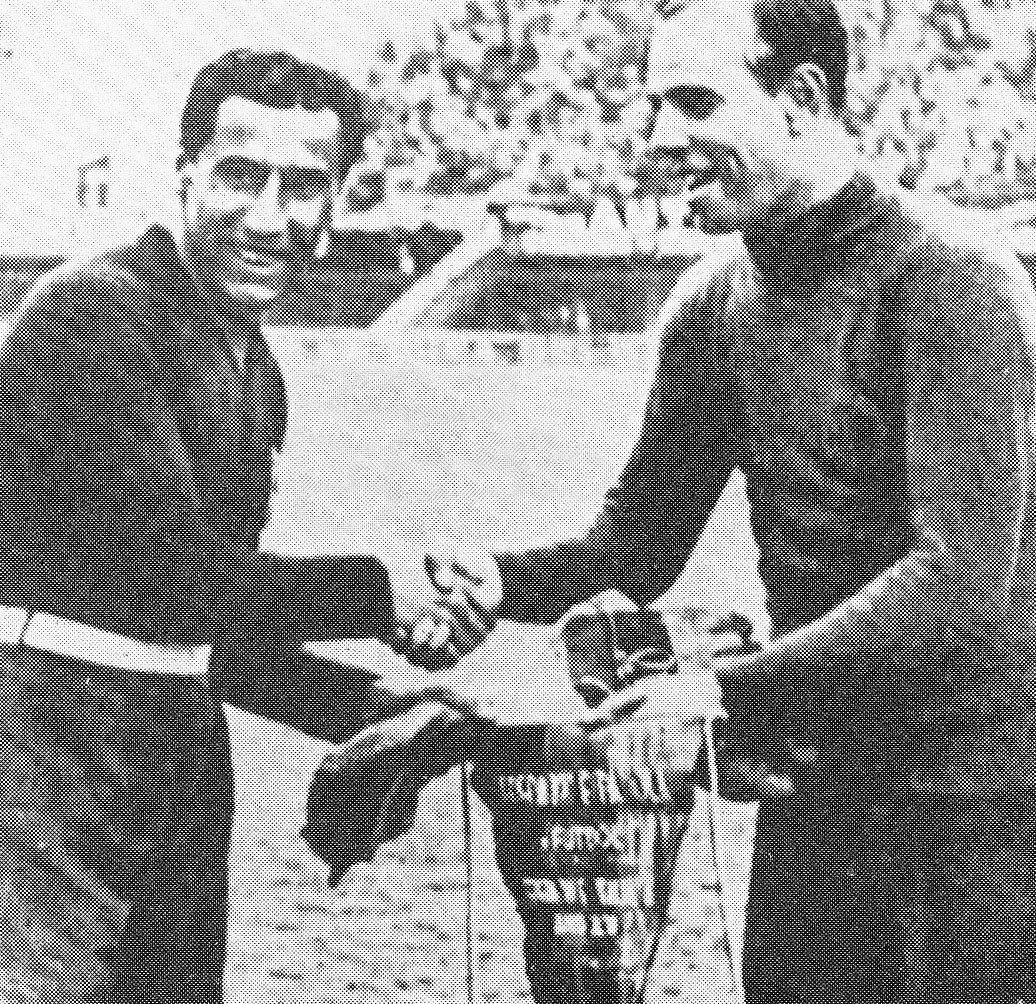
In the semi-finals Italy faced Austria, the famous Wunderteam of Hugo Meisl and Matthias Sindelar, which since 1931 had lost only two matches and was Europe's most admired team. But they arrived battered: without their organizer Johann Horvath through injury, and on a muddy San Siro pitch that was no good for their passing football.
Meisl told Pozzo, who was a friend of his, before the match: «we have no chance». Italy won 1-0 with a goal from Guaita — another oriundo — in the ninth minute, in a move in which the Austrians claimed a foul on their goalkeeper. And that was the end of the Wunderteam.
The final: a raised arm that didn't even touch
June 10, 1934, Rome, over 50,000 people and scorching heat. Mussolini in the stands in full military uniform. Before the match he had gathered the players and asked them for victory at any cost; some later said that didn't sound like a pep talk, it sounded like a threat.
The Italians gave the fascist salute in the centre circle, as was customary back then. The Czechoslovaks stayed still. And then something nobody expected happened: Swedish referee Ivan Eklind also raised his arm. It was later revealed this was at the request of the authorities.
The match was far more evenly contested than Italy wanted. Antonín Puč put Czechoslovakia ahead in the 71st minute and disaster loomed for the home side. With nine minutes left, Orsi equalized. And in the 95th minute, already in extra time, Angelo Schiavio made it 2-1 with the opposition running on fumes. Italy, world champions for the first time.
The goal that Orsi couldn't repeat even once
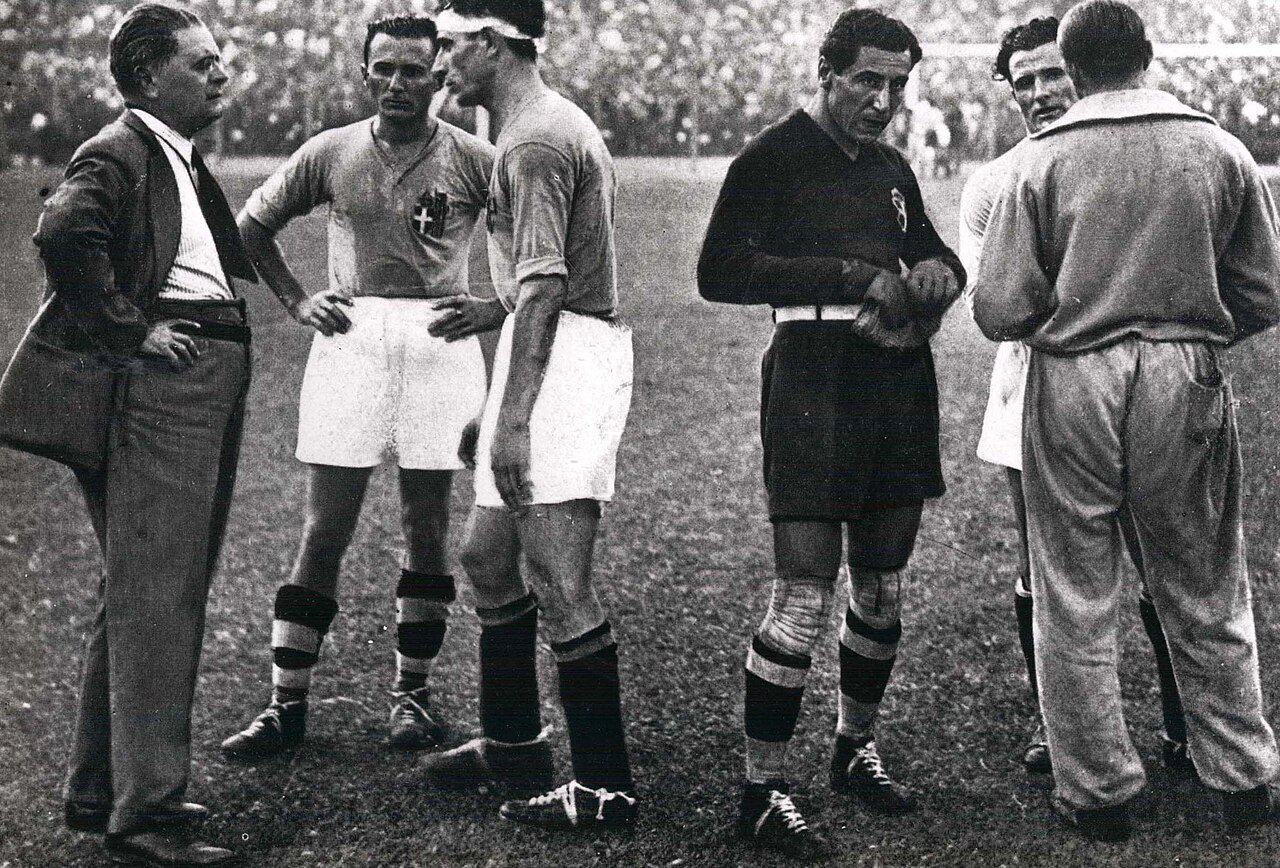
This is the best anecdote from the World Cup and it's even documented. Raimundo Orsi's equalizer was a shot with impossible bend, the kind that goes top corner when it absolutely shouldn't. The next day photographers asked him to repeat it to get a proper photo, and Orsi went back to the stadium, stood in the same spot and shot.
And he missed. And he missed again. He tried more than twenty times and couldn't do it once. He left without the photo.
That Mussolini told the manager: «Mr Pozzo, you alone are responsible for success… but God help you if you fail». It's the quote that gets recycled in every feature about this World Cup.
That the pressure existed and is proven — Pozzo received telegrams demanding victory, Mussolini met the team before the final to demand a win at all costs, and several players later said they felt threatened — but there's no first-hand source for that specific quote. It circulates as an attribution, with no official record or witness to back it up. The pressure is history; the exact wording, for now, is legend.
That the regime placed the officials it wanted and that's why Italy won.
That several historians and media outlets claim there was Government influence, but the only hard, verifiable fact is this: the Swiss federation banned René Mercet for life, the referee of the replay against Spain, for his performance in that match. Meanwhile, Swedish referee Eklind and Belgian referee Baert, both heavily criticised for the final, kept refereeing and were invited to the 1938 World Cup — so the claim that «they all got punished» doesn't hold water. What's beyond doubt is Eklind's raised arm before the opening whistle.
That Czechoslovak Oldřich Nejedlý was the tournament's top scorer, and for seventy years the official tally was four goals.
That it was five. FIFA itself corrected the record in November 2006, more than seventy years later, after reviewing the matches. If you see an old book that says four, it's not lying: it's just out of date.
What 1934 left behind
On the pitch, much more than it might seem. Vittorio Pozzo had been working since 1929, and at Italy 1934 he implemented what became known as the Method: two staggered centre-backs, deeper-lying wingers and the inside forwards as focal points. It sounds like archaeology, but it's one of the roots of modern defensive football. Pozzo stayed on as manager until 1948 and also won the 1938 World Cup: he remains the only manager to have won two World Cups.
It was also the first World Cup with a third-place playoff — Germany beat Austria 3-2 in Naples — and the one that put Italian football on the map. Six months later, the azzurri went to London to play England in what became known as the «Battle of Highbury»: they lost 3-2, but made it clear that British dominance was over.
And politically it set an uncomfortable precedent: proof that a World Cup could be used as a megaphone for a regime. Four years later, in France, the drums would sound even louder.
- 1934 FIFA World Cup — Wikipedia (organisation, qualifying, tournament development, final and controversies)
- Annex: FIFA World Cup Finals (result, stadium and attendance of all 23 finals)
- Luis Monti, the only player to reach two finals with two different nations — FIFA
- Oldřich Nejedlý and FIFA's 2006 correction (from four goals to five) — Wikipedia
- Alfredo Relaño, «So many World Cups, so many stories», cited for the three-year residency rule that Monti and Demaría bypassed.
- The photos are public domain via Wikimedia Commons; each one carries its author and licence below.
- When a story is famous but undocumented — like Mussolini's quote to Pozzo — we say so here instead of telling it as fact.

💬 Comments
Have your say, YouTube-comments style but at home. Be polite — decent folk read this.