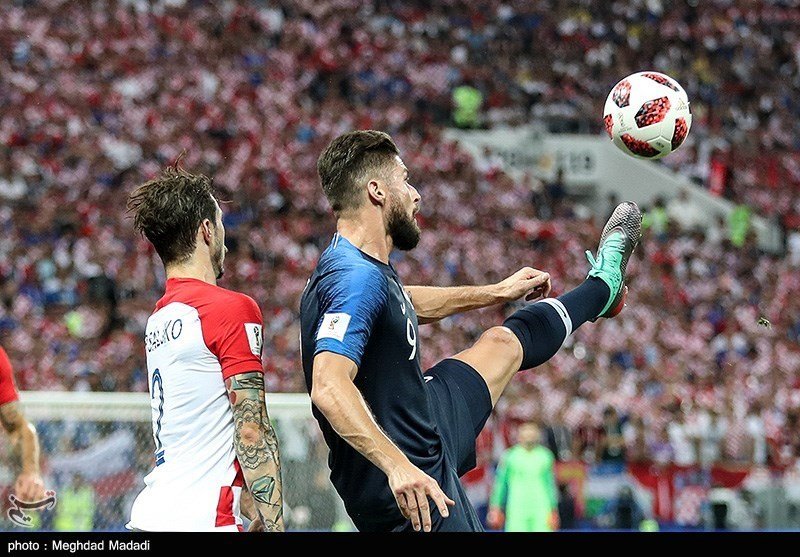
Russia 2018: VAR makes its debut, Croatia comes close to glory and Spain sacks Lopetegui two days before the tournament

- VAR makes its debut at the 2018 Russia World Cup as a play review system in a tournament of this magnitude
- Croatia reaches the World Cup final but fails to win the title, coming close to glory in the championship
- Spain dismisses Lopetegui as coach just two days before the start of the World Cup
2018 is the World Cup of strange goodbyes and teams nobody saw coming. And also the one where football finally accepted that a referee could watch a replay.
🇷🇺 The 2018 World Cup by the numbers
- Host
- Russia
- Teams
- 32
- Champions
- 🏆 France
- Runners-up
- Croatia
- Final
- France 4-2 Croatia
- Stadium
- Luzhnikí · Moscow
- Attendance
- 78,011
- Top scorer
- Harry Kane (England), 6 goals
Lopetegui's sacking
Spain arrived in great form, unbeaten for two years. Then, two days before their opening match, it was announced that Julen Lopetegui would be Real Madrid's manager the following season. The Football Federation president, Luis Rubiales, sacked him the next day, right in the middle of their training camp.
Fernando Hierro took over the team in an emergency. Spain drew 3-3 with Portugal, beat Iran, drew with Morocco and lost in the last 16 on penalties to the hosts, after a match where they completed 1,000 passes and barely had a shot on target.
It's probably the most criticised elimination in recent Spanish national team history, and the debate about whether the sacking ruined everything is still going on.
VAR makes its debut
Russia 2018 was the first World Cup with video assistant referee. Dozens of plays were reviewed and 29 penalties were awarded — far more than any previous World Cup, where the previous record was 18.
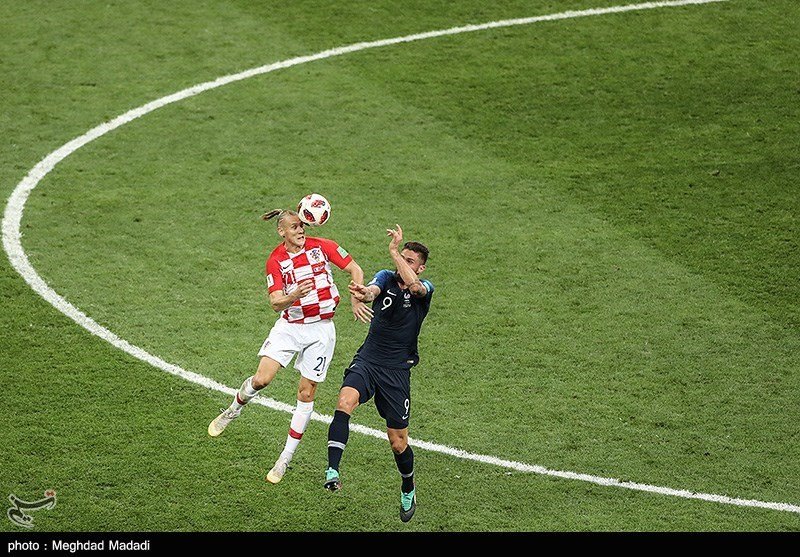
The first penalty awarded by VAR in a World Cup was given to France against Australia. VAR also played a role in the final: Perišić's handball in Croatia's box, penalty, Griezmann's goal.
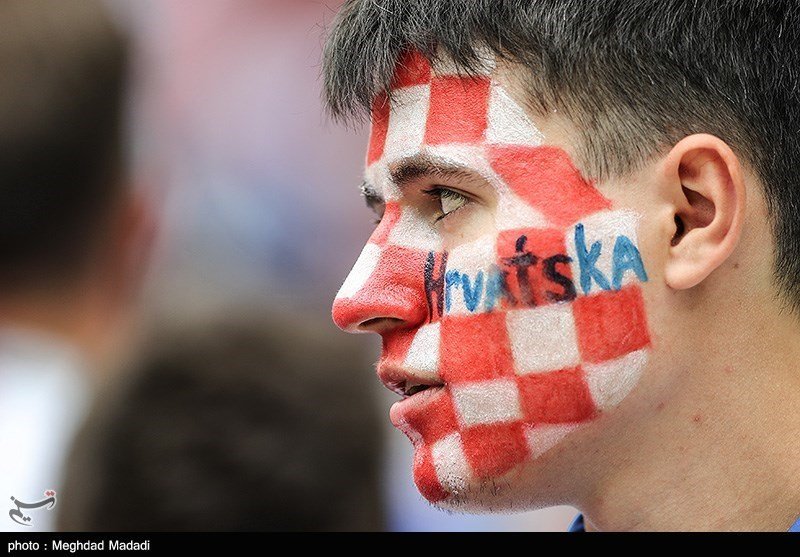
Croatia, four million people
The tournament's feel-good story is Croatia. A country with fewer people than Andalusia that topped their group, eliminated Denmark on penalties, Russia on penalties and England in extra time. They played three consecutive extra-time matches: 360 extra minutes before the final.
Luka Modrić took home the World Cup's Golden Ball. It's the best result in their country's history and probably the greatest physical effort ever seen in a tournament.
That video technology would eliminate errors and arguments.
That it corrected clear errors, and that's measurable — FIFA put decision accuracy at over 99% with VAR versus 95% without it — but it didn't eliminate controversy, because it just shifted the debate from «did he see it?» to «is that a handball?». Eight years on and we're still arguing about exactly the same things, just with more cameras. What did disappear completely were ghost goals and blatant offside decisions.
That Spain left the World Cup because of the sacking, or the other way around, that the sacking had nothing to do with it.
That neither version holds up on its own. In favour of the first: the team lost their manager two days before, with no Plan B, and played without any recognisable shape. Against it: Spain didn't lose a single match in 90 minutes throughout the whole tournament and were knocked out in a penalty shootout, which is a lottery. The honest take is that the sacking created avoidable chaos and the elimination was decided from the spot. Anyone using it as a complete explanation, whichever way you spin it, is just picking the version that suits them.
That the reigning world champions were knocked out in the group stage through carelessness and overconfidence.
That the hard facts are there: they lost to Mexico, scraped past Sweden late on and lost 2-0 to South Korea. It was the third straight reigning champion knocked out in the group stage, after Italy in 2010 and Spain in 2014. That's not an isolated case anymore: it's a pattern. The explanations analysts tend to use are more mundane than arrogance — squads all ageing at the same time, the wear and tear of gruelling seasons and the difficulty of refreshing a championship-winning team — but «they got complacent» always sells better.
What stayed
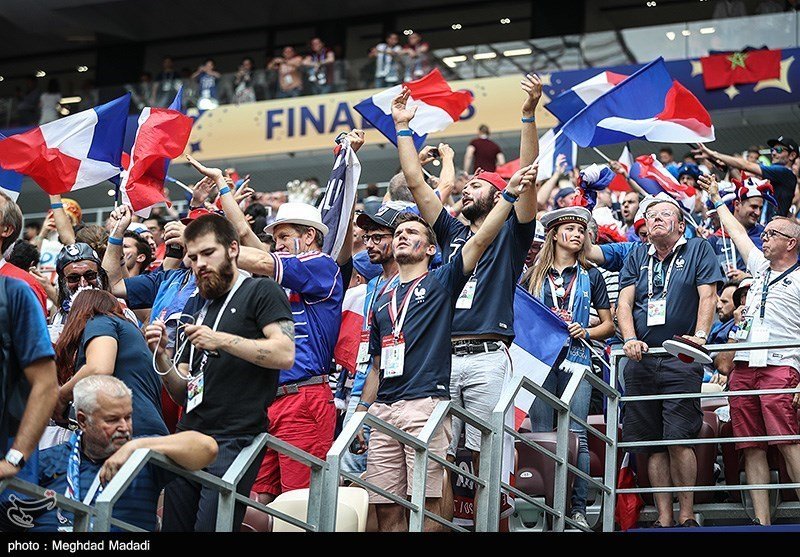
What stayed was France's second star and a generation — Mbappé was 19 and scored in the final — that would be back in the final in 2022. What stayed was Croatia as proof that a country's size no longer matters. And what stayed was VAR, for good.
- 2018 FIFA World Cup — Wikipedia
- RSSSF — complete 2018 tournament data
- The final photos are from Tasnim agency, with CC BY licensing, via Wikimedia Commons.

💬 Comments
Have your say, YouTube-comments style but at home. Be polite — decent folk read this.