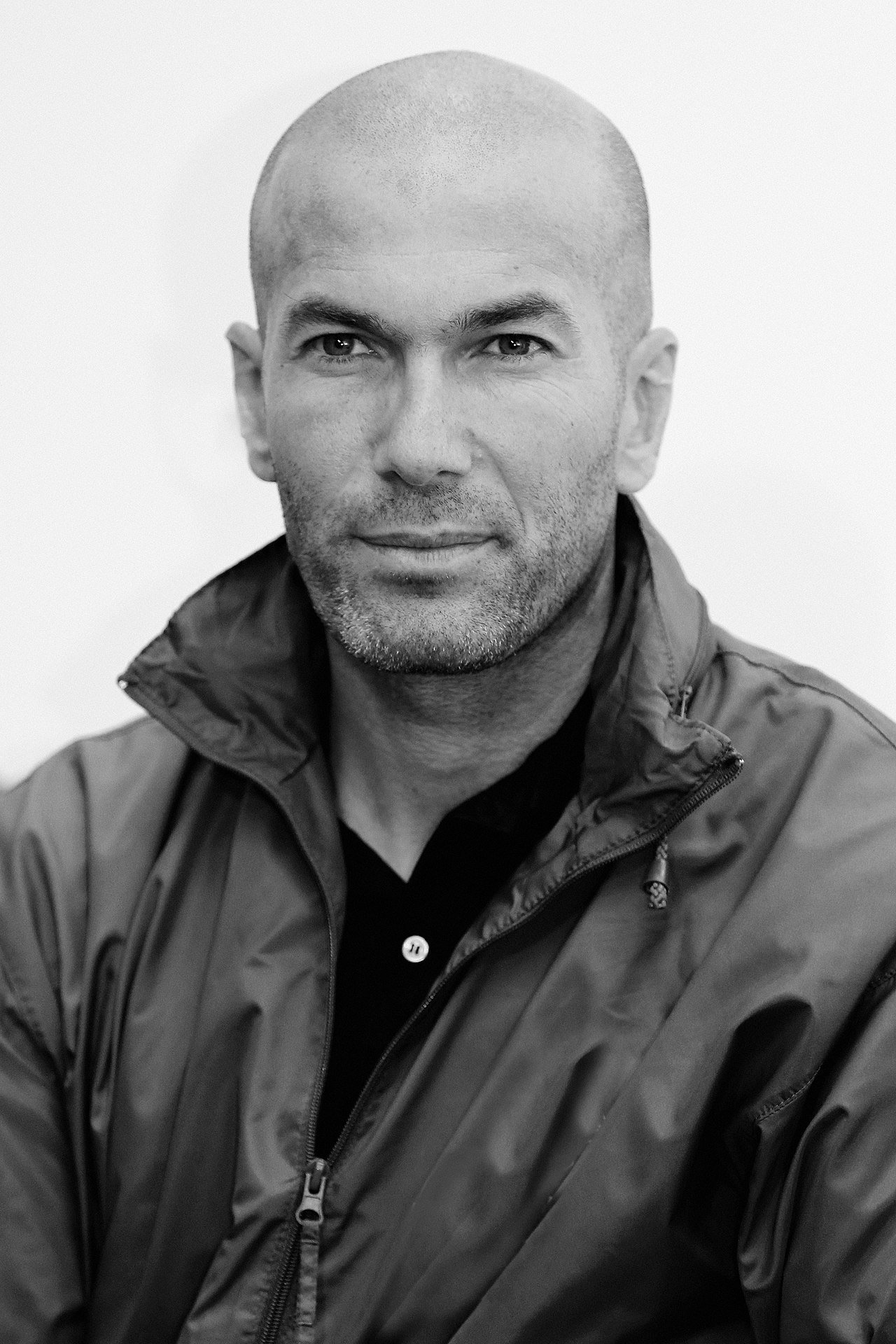
France 1998: Zidane's two headers, Ronaldo's mystery and Spain's 6-1 that wasn't enough

- Zinedine Zidane scored two decisive headers in the France 1998 final, sealing the host French victory
- Mystery surrounds Ronaldo's performance in the final, one of the tournament's most controversial events
- Spain's 6-1 rout in the group stage did not allow them to advance further, showing inconsistency in knockout competitions
France had never won a World Cup in their entire history. They had the best generation they'd ever produced and they won it at home, with a squad that became a political symbol: the black-blanc-beur team, Black, white and Arab, presented as the image of a multicultural France. That this debate still rages in 2026 tells you plenty about what it meant.
🇫🇷 The 1998 World Cup by the numbers
- Host nation
- France
- Nations
- 32
- Champions
- 🏆 France
- Runners-up
- Brazil
- Final
- France 3-0 Brazil
- Stadium
- Stade de France · Saint-Denis
- Attendance
- 80,000
- Top scorer
- Davor Šuker (Croacia), 6 goals
Spain: 6-1 against Bulgaria and heading home
This one's worth telling because it's one of the most embarrassing moments in Spanish football history. Spain arrived in France with a very good generation and Javier Clemente on the bench, and started by losing 3-2 to Nigeria after going ahead, with a goal that saw Zubizarreta put through his own net.
Then 0-0 with Paraguay. And on the final matchday, with their fate almost sealed, 6-1 thrashing of Bulgaria: a brilliant performance, with Morientes, Hierro, Luis Enrique and Kiko all scoring.
It was pointless. Paraguay beat Nigeria at the same time and Spain went out in the group stage. Six goals and home they went. Clemente hung on a few months longer and then quit.
Zidane, and a France that couldn't finish
The curious thing about that France side was that they were a defensive team with a genius inside. They won the World Cup scoring 15 goals in seven matches and none of them came from a striker in the final.
Zidane, who arrived under scrutiny — he'd been sent off in the group stage for stamping on a Saudi player and missed two matches — settled the final with two headers, both from set-pieces, before half-time. Then Petit made it 3-0 in the last minute.
That night traffic was stopped on the Champs-Élysées and they projected Zidane's face onto the Arc de Triomphe.
The golden goal and other things that don't exist anymore
This World Cup introduced the golden goal: in extra time, whoever scored first won and the match ended. The first in history was scored by Laurent Blanc against Paraguay in the last 16.
The rule didn't last long — it was scrapped in 2004 — because it had the opposite effect to what was intended: instead of encouraging attacking, the fear of conceding was so great that teams would just park the bus even more.
It was also the World Cup of the Argentina-England last 16 tie: Michael Owen's goal at 18 years old sprinting from deep in his own half, the red card for David Beckham for giving Simeone a little kick whilst he was on the ground — which cost him months of being vilified back in England — and another English exit on penalties.
That Nike forced Brazil to field Ronaldo despite him suffering a seizure hours earlier, to protect their sponsorship investment. It's the theory that's been doing the rounds since 1998.
That the medical episode is real and well documented: Ronaldo suffered a seizure at the team base on the day of the final, was taken to hospital, was left out of the initial squad sheet and ultimately played — poorly, absent, not himself. What isn't proven is Nike's pressure. The Brazilian Congress opened an investigation into the federation's relationship with the brand and found no evidence that he was forced to play. The remaining explanations are medical and human: Ronaldo himself asked to play and the doctors cleared him. It's a mystery with one part perfectly documented and another that's been speculation for nearly thirty years.
That FIFA introduced the golden goal to avoid boring extra time and reward attacking football.
That that was the intention and the result was the opposite. Knowing that conceding one goal meant instant elimination, teams sat back even deeper. The «silver goal» was also tested at Euro 2004 and in 2004 FIFA scrapped both. Today extra time is back to how it was. It's a perfect example of a well-intentioned rule that achieved exactly what it was trying to prevent.
That the 6-1 thrashing of Bulgaria proves Spain had the team and just fell to chance.
That elimination was decided in the first match, not the last: Spain were leading 2-1 against Nigeria and ended up losing 3-2. With that done, the 0-0 with Paraguay left them needing miracles. The 6-1 came when they'd already been written off. The bad luck version hurts more, but the maths were broken from day one.
What it left behind
It left France's first star and the first World Cup with 32 teams, a format that lasted until 2022. It left Croatia, who in their first appearance as an independent nation finished third, and it left the feeling that football was truly becoming global: Jamaica, Japan and South Africa made their debuts.
And it left Zidane, who would return to this story eight years later for a very different reason.
- 1998 FIFA World Cup — Wikipedia
- RSSSF — complete 1998 tournament data
- On Ronaldo's seizure: the medical episode is documented; the Nike pressure thesis was investigated by a Brazilian Congress commission that found no evidence. Both versions are presented here.
- Photo disclaimer: 1998 match material belongs to agencies. The images are public domain or Creative Commons and are later portraits; each caption indicates when they're from.

💬 Comments
Have your say, YouTube-comments style but at home. Be polite — decent folk read this.