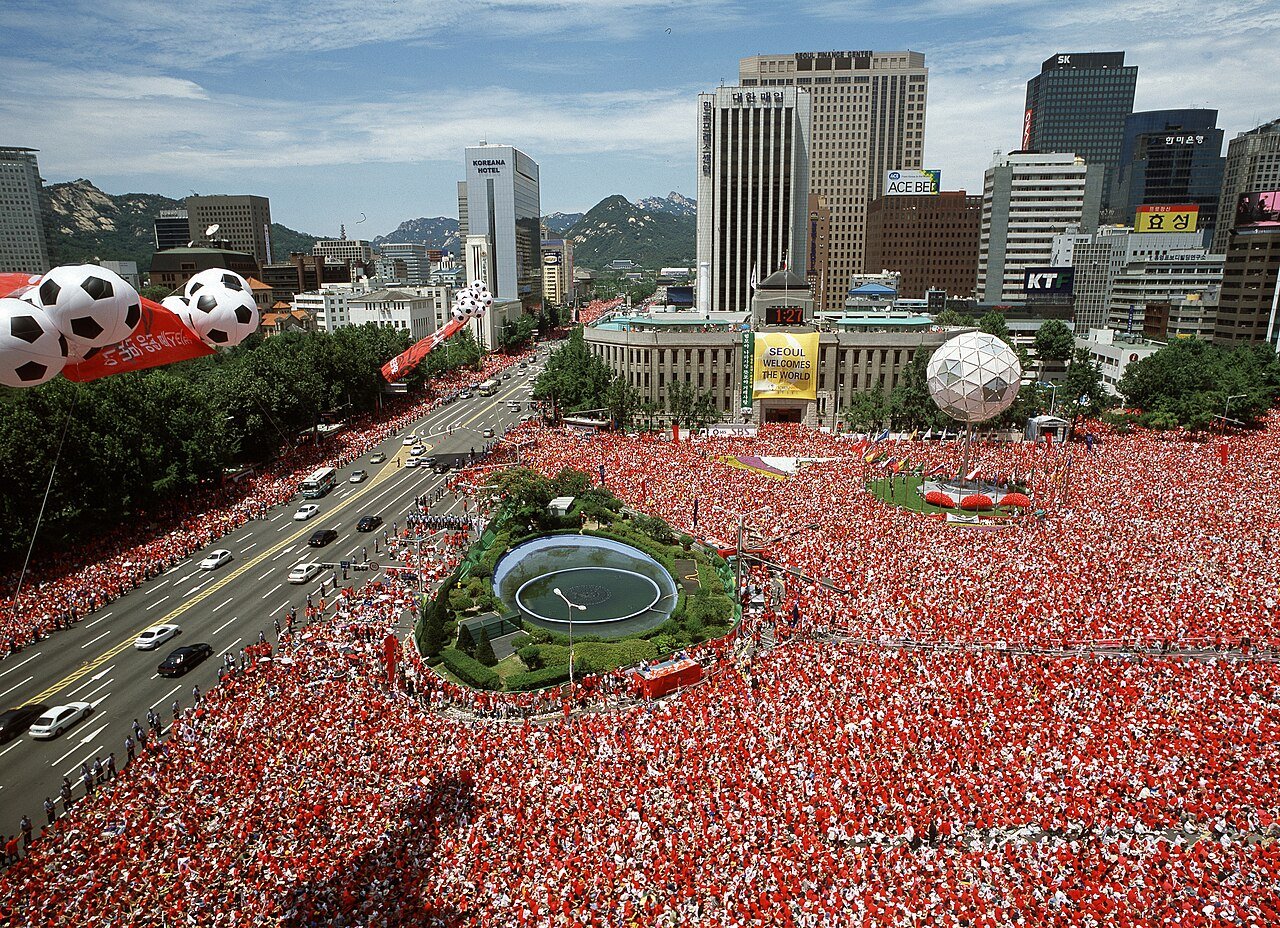
Korea and Japan 2002: Spain's two disallowed goals, Ronaldo's redemption and France's goalless exit

- Spain suffered the annulment of two goals during the 2002 World Cup in Korea and Japan, refereeing decisions that marked their participation in the tournament
- Ronaldo achieved his redemption in the 2002 World Cup, standing out as a key figure in his national team's performance during the competition
- France was eliminated from the tournament without scoring any goals, resulting in a disappointing participation for the defending champion
For Spanish fans, 2002 is the World Cup of the robbery. It's worth telling the whole story with the facts, because there's a lot more to it than usually gets summed up in one sentence.
🇰🇷🇯🇵 The 2002 World Cup in numbers
- Host nations
- South Korea and Japan
- Teams
- 32
- Champions
- 🏆 Brazil
- Runners-up
- Germany
- Final
- Brazil 2-0 Germany
- Stadium
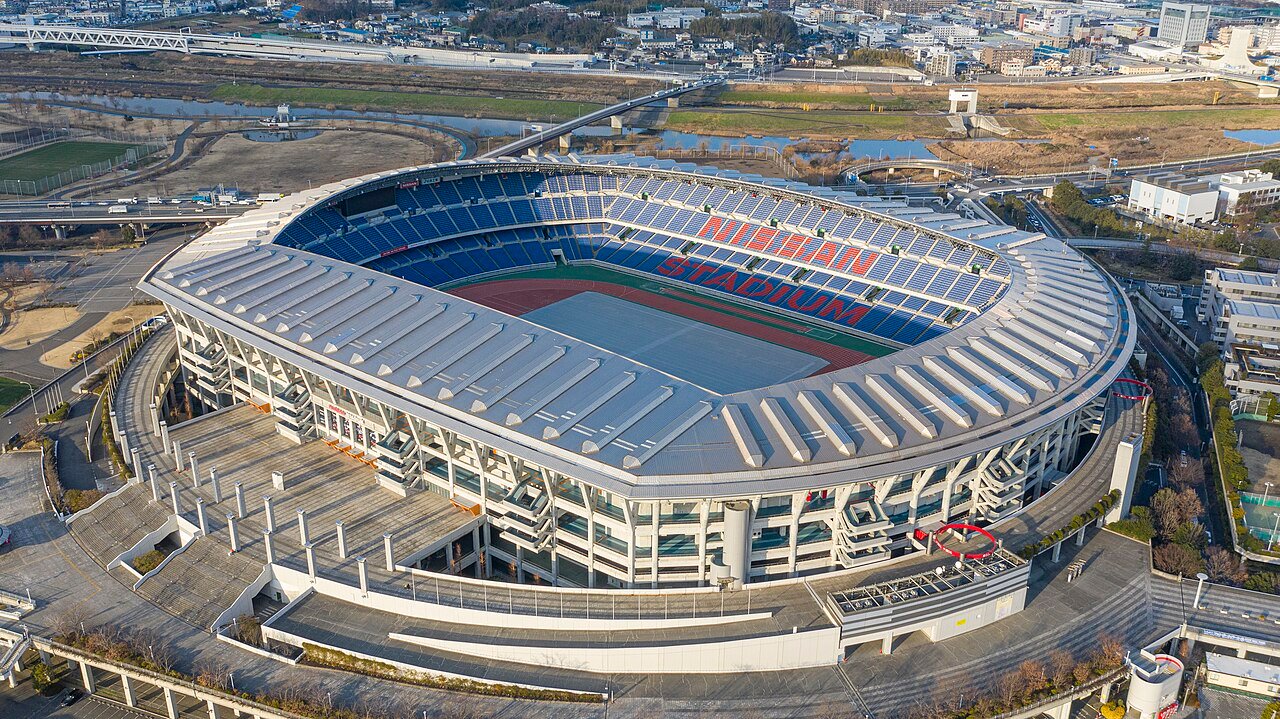
- Yokohama International · Yokohama
- Attendance
- 69,029
- Top scorer
- Ronaldo (Brazil), 8 goals
Spain vs South Korea
22 June 2002, quarter-final in Gwangju. Spain had won all three of their group matches and came into the game having eliminated Ireland on penalties. Facing them was the home side, who had already knocked out Portugal and Italy.
The match ended 0-0 and Spain went out on penalties. But along the way they had two goals disallowed:
The first, a goal from Rubén Baraja ruled out for a non-existent foul. And the second, the one that still stings: a cross from Joaquín that the linesman called out of play, and Fernando Morientes finished it off. Television replays showed the ball hadn't gone out.
The referee was Egyptian Gamal Al-Ghandour. Neither he nor his assistants ever officiated another high-level international match after that tournament.
The other side of the story
Now here's the other part, because otherwise this is propaganda rather than history.
That South Korea side wasn't a bad team. They were managed by Guus Hiddink, had been training full-time for months with brutal physical preparation, and topped their group ahead of Portugal while playing well. In the round of 16 they beat Italy with a goal in extra time. And against Spain they held on for 120 minutes without conceding a legitimate goal.
That the refereeing was appalling is a fact. That South Korea got to the semi-finals only because of that? No.
France exits without scoring
The world and European champions arrived as absolute favourites and produced the tournament's biggest shock: they lost 1-0 to Senegal in the opening match — a debutant nation that had been a French colony — drew with Uruguay and lost to Denmark.
Three matches, zero goals scored, eliminated. Zidane arrived injured and could only play in the final game. Senegal, by the way, made it to the quarter-finals.
Argentina also went out in the group stage. It was a World Cup of fallen giants.
Ronaldo's redemption
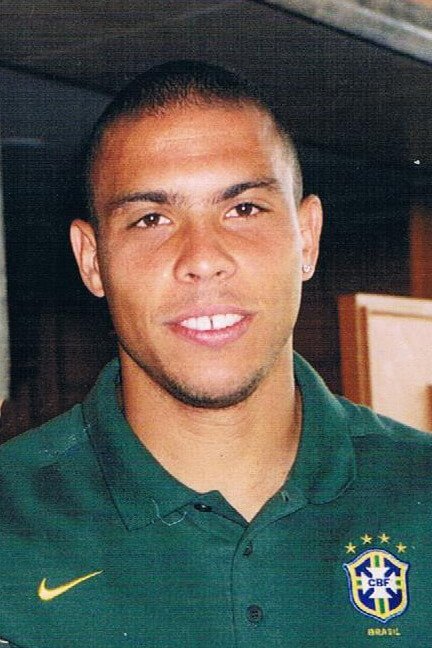
And in the midst of all that, the best story: Ronaldo. He'd spent three years practically out of action with two serious knee injuries, after what happened to him in the 1998 final. Many people assumed he'd never be the same again.
He scored eight goals, including both in the final, and won the Golden Boot and Best Player award. He also made an appearance with a ridiculous haircut — head shaved with a triangular fringe on his forehead — which he explained years later: he wanted the press to talk about the hairdo and stop asking him about his leg.
That FIFA or the tournament organisers rigged South Korea's matches against Italy and Spain so the hosts would go far.
That the decisions were scandalously bad and nobody serious disputes that, but there's no proof of corruption whatsoever: no investigation with findings, no sanctions, no documents. What feeds the legend are two circumstantial things: the referees involved disappeared from the international circuit, and Ecuadorian Byron Moreno, the one from Italy-Korea, ended up years later convicted in the United States for drug trafficking — a case with absolutely nothing to do with football, but which many people use as if it were the missing evidence. Poor refereeing doesn't prove match-fixing, and what we have here is just atrocious refereeing.
That the team was weak and without help they wouldn't get past the group stage.
That it's unfair to a team that won their group ahead of Portugal playing well, managed by Guus Hiddink, with fitness levels far superior to their rivals and months of full-time training camps. The refereeing in the last 16 and quarter-finals was decisive, yes. But reducing it all to that is the convenient excuse: Spain also needs to explain how they didn't score in 120 minutes.
That it was just an extravagance, or a lost bet.
That he explained it himself: it was a smokescreen. He was nursing a leg injury and wanted the Brazilian press talking about something else. It worked so well that the hairstyle got copied in barbershops around the world and it's still remembered today. He's even said he's embarrassed to look at it.
What remained
Brazil claimed their fifth World Cup and remain the country with the most titles. Germany lost a final in which Oliver Kahn, their goalkeeper, was named the tournament's best player: he's the only goalkeeper to win the World Cup's Ballon d'Or, and he did it on the day he made the error that led to the opening goal.
And it proved that football was no longer just a European and South American affair: Korea in the semis, Senegal and Turkey in the quarters — the Turks finished third — and the fastest goal in World Cup history, Hakan Şükür's strike at 11 seconds in the third-place playoff.
- 2002 FIFA World Cup — Wikipedia
- RSSSF — complete 2002 tournament data
- On the Korea refereeing: this separates what's indisputable (very poor and decisive decisions) from what was never proven (that corruption occurred).
- Note on photos: match footage belongs to agencies. Images are public domain or Creative Commons.