Qatar 2022: football's greatest final, Messi's World Cup and Spain's penalty heartbreak

- Argentina won the most thrilling World Cup final in history against France in an epic battle that was decided on penalties
- Lionel Messi won his first world title, fulfilling the dream that was missing from his sporting career
- Spain was eliminated in the group stage without managing to score any penalty, a negative historic record for the Spanish national team
Everything surrounding this World Cup was debatable, yet it delivered the best football match anyone can remember. Both aspects deserve telling.
🇶🇦 The 2022 World Cup by the numbers
- Host nation
- Qatar
- Teams
- 32
- Champions
- 🏆 Argentina
- Runners-up
- France
- Final
- Argentina 3-3 (4-2 pens.) France
- Stadium
- Lusail Iconic Stadium · Lusail
- Attendance
- 88,966
- Top scorer
- Kylian Mbappé (France), 8 goals
A World Cup in winter
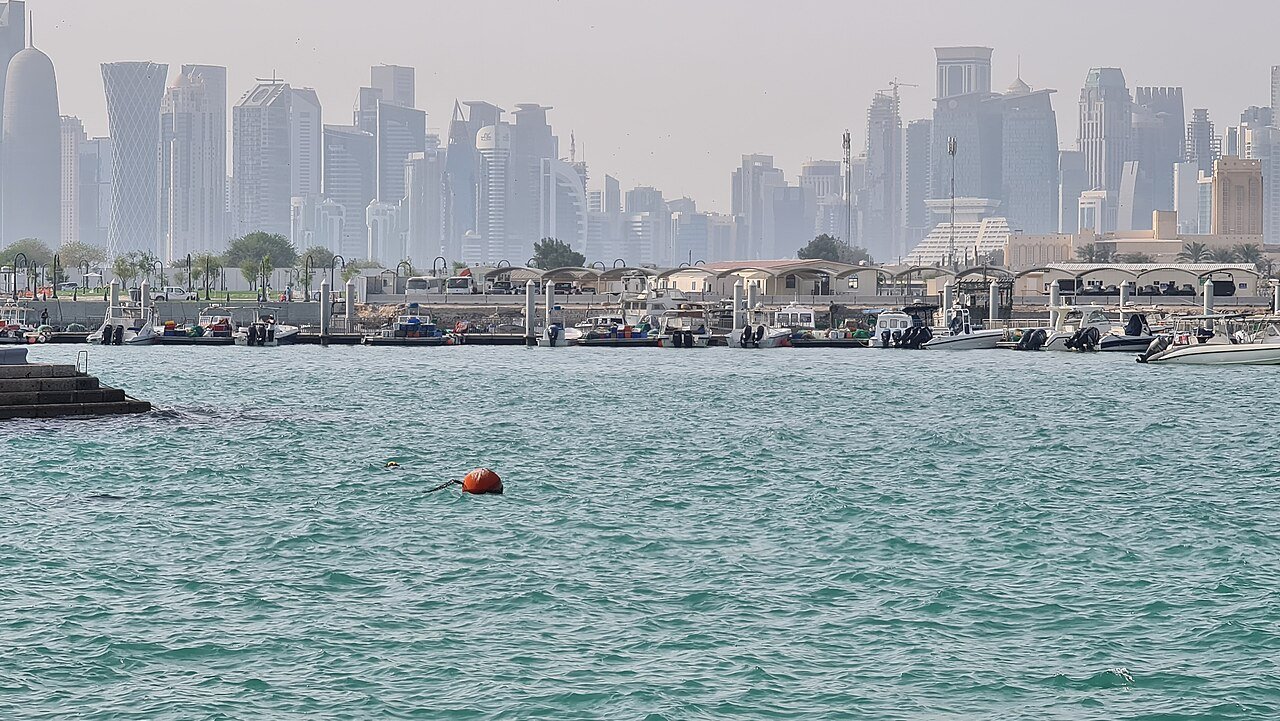
Qatar in June hits over 45 degrees Celsius, so the tournament moved to November and December. It's the only World Cup never played during the Northern Hemisphere summer, and forced all the world's leagues to pause mid-season.
The award of the host nation, voted on in 2010, sits at the centre of FIFA's greatest institutional crisis: several of the officials who voted ended up investigated or banned for corruption in other matters. FIFA has never annulled that vote.
Then there's the worker issue. Qatar built eight stadiums and an entire city with migrant labour under the kafala system, which tied workers to their employers. Death toll figures range from official dozens to several thousands according to journalistic investigations, using very different methodologies and sparking enormous debate over which deaths count. What's beyond dispute: conditions were denounced for years by Amnesty International and the ILO, and Qatar only partially reformed the kafala system under tournament pressure.
Spain, knocked out without scoring a penalty
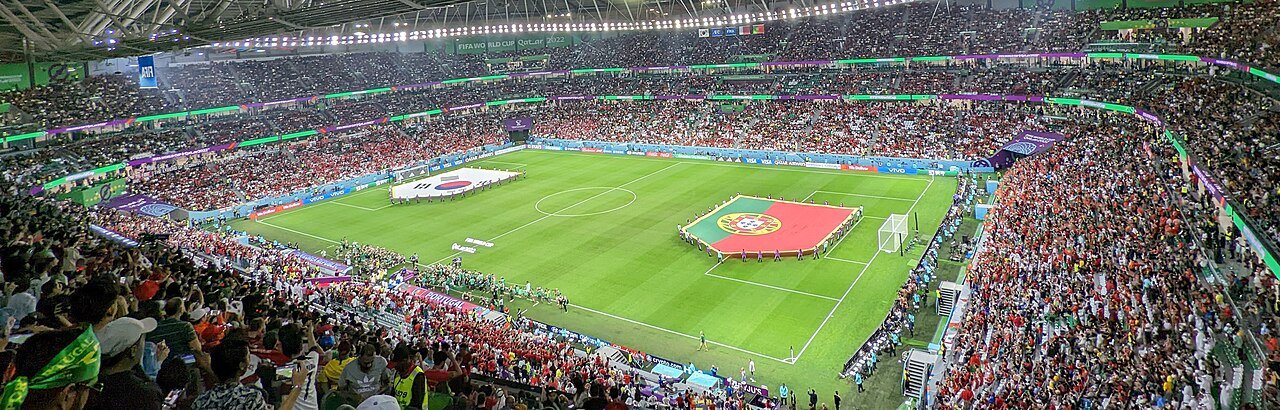
Spain won 7-0 against Costa Rica on opening day, drew with Germany and lost 2-1 to Japan. In the Round of 16, they faced Morocco: 0-0 after 120 minutes and then penalties.
Sarabia missed. Soler missed. Busquets missed. Spain failed to score any of their three penalties. They're the only team in World Cup history to exit a shootout without converting a single one.
Morocco progressed and reached the semi-finals: the first African and Arab nation to do so.
The greatest final ever
December 18th, Lusail. For eighty minutes it was pure Argentina dominance: 2-0, Messi with a penalty and Di María with a screamer. France hadn't even had a shot on goal.
Then, in 97 seconds, Mbappé scored twice—a penalty and a volley—to make it 2-2. In extra time Messi made it 3-2; Mbappé equalled again from the spot, 3-3, completing the first hat-trick in a final since 1966. In the penalty shootout, with Emiliano Martínez doing everything between the sticks, Argentina won.
Messi lifted the trophy at 35, in his fifth World Cup and in his final match in one. He'd lost the 2014 final and retired from international duty in 2016 before returning. It's arguably the most perfect career finale football has ever seen.


Two opposing figures are circulating: the official Qatari count of a few dozen deaths "work-related," and the 6,500 deaths published by The Guardian in 2021.
That both are true and measure different things, which is why the debate gets so toxic. The 6,500 figure covers all deaths of migrant workers from five South Asian countries registered in Qatar between 2010 and 2020, from any cause, not just World Cup construction sites. The official count only tallies certified workplace accidents at stadiums. Neither answers the real question, because Qatar didn't investigate most deaths from natural causes among young workers, making it impossible to know how many were heat stroke or exhaustion. What's beyond dispute is the documentation of working conditions, denounced by Amnesty International and the ILO, and the partial reform of the kafala system that came under international pressure.
That the host nation was chosen through bribes and it's proven.
That the 2010 vote sits at the heart of the scandal that brought down FIFA's upper echelon — several voters ended up banned or prosecuted, though in many cases for acts related to other competitions — and that there were investigations by the U.S. Department of Justice and FIFA itself. But there's no court ruling that annuls that election or declares the bid corrupt, and FIFA has never revoked it. It's a case with plenty of documented smoke but no final conviction that would close the book.
That the 2022 Argentina-France final is, objectively, the best match ever played.
That it's an opinion, albeit a widely shared one, and it's worth saying so. The objective arguments in its favour are strong: six goals, a two-goal comeback in 97 seconds, another comeback in extra time, the first hat-trick in a final since 1966, and a penalty shootout decided on the knife edge. But "the greatest ever" competes with the 3-2 in Bern or the Seville semifinal in '82, and that's already a matter of taste and how old you were.
What remained
Argentina's third star, thirty-six years after Maradona's. Morocco in the semifinals, which weighs more on the world football map than it seemed at the time. And the last World Cup of 32 teams: the next one would be something else entirely.
- 2022 FIFA World Cup — Wikipedia
- RSSSF — complete 2022 tournament data
- On the worker death figures: here we explain what each figure measures instead of picking the most dramatic or convenient one.
- Final match photos are from photographers with Creative Commons licensing, via Wikimedia Commons.

💬 Comments
Have your say, YouTube-comments style but at home. Be polite — decent folk read this.