Brazil 2014: The Mineiraço, the 7-1 that nobody saw coming and Götze's goal in the 113th minute

- El Mineirazo was the humiliating 7-1 thrashing that Brazil received on its own territory, an unexpected result that marked a before and after in the 2014 FIFA World Cup
- No one saw this Brazilian debacle coming, being one of the most impactful surprises in the history of world football during a tournament played at home
- Mario Götze scored the winning goal for Germany in the 113th minute, sealing qualification to the final with a decisive goal in extra time
Brazil was hosting a World Cup sixty-four years after the Mineiraço, hoping to finally heal that old wound. Instead, they opened an even deeper one.
🇧🇷 The 2014 World Cup in numbers
- Host
- Brazil
- Teams
- 32
- Champions
- 🏆 Germany
- Runners-up
- Argentina
- Final
- Germany 1-0 (a.e.t.) Argentina
- Stadium
- Maracanã · Rio de Janeiro
- Attendance
- 74,738
- Top scorer
- James Rodríguez (Colombia), 6 goals
The Mineiraço
8 July, Belo Horizonte, semi-final. Brazil arrived without Neymar, who suffered a back injury in the quarter-finals, and without Thiago Silva, who was suspended. The stadium was in tears during the anthem, clutching Neymar's shirt.
Germany scored in the 11th minute. Then, between the 23rd and 29th minutes, they hammered in four more goals. Five in eighteen minutes. By half-time it was 0-5.
In the second half came 0-6 and 0-7. Oscar scored a consolation goal in the 90th. 1-7.
The most remarkable thing was what happened at the end: a large section of the Maracanã — sorry, the Mineirão — applauded Germany. And something even stranger: the German players, already with 5-0 up, stopped celebrating the goals out of respect.
And Spain, eliminated in the group stage
The world champions opened their campaign against the Netherlands, the same opponent from the 2010 final. They went 1-0 up from an Xabi Alonso penalty and ended up losing 1-5, with Van Persie's bicycle kick that went around the world.
Then they lost 2-0 to Chile and were already eliminated after two matches. They won the third game against Australia purely for pride. It marked the end of the greatest generation this country has ever had.
The final
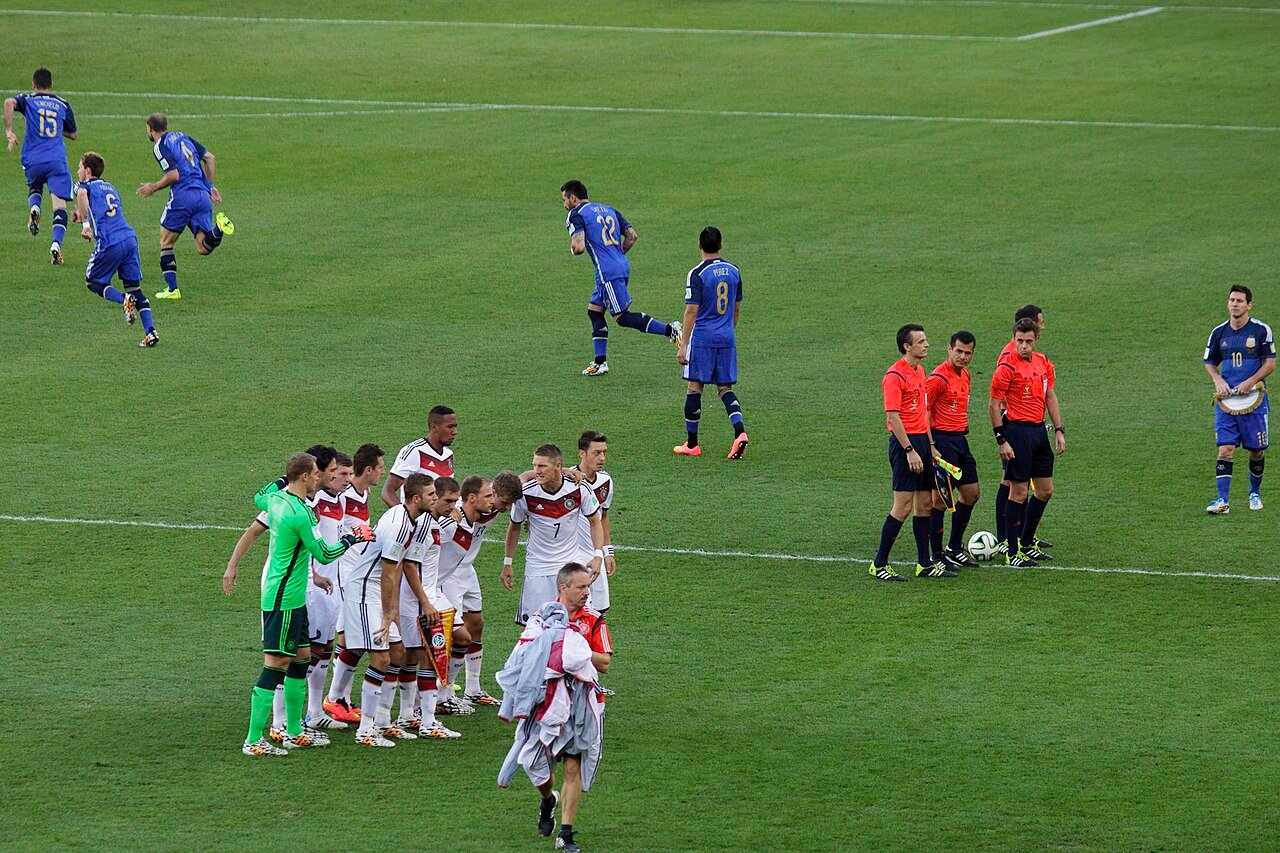
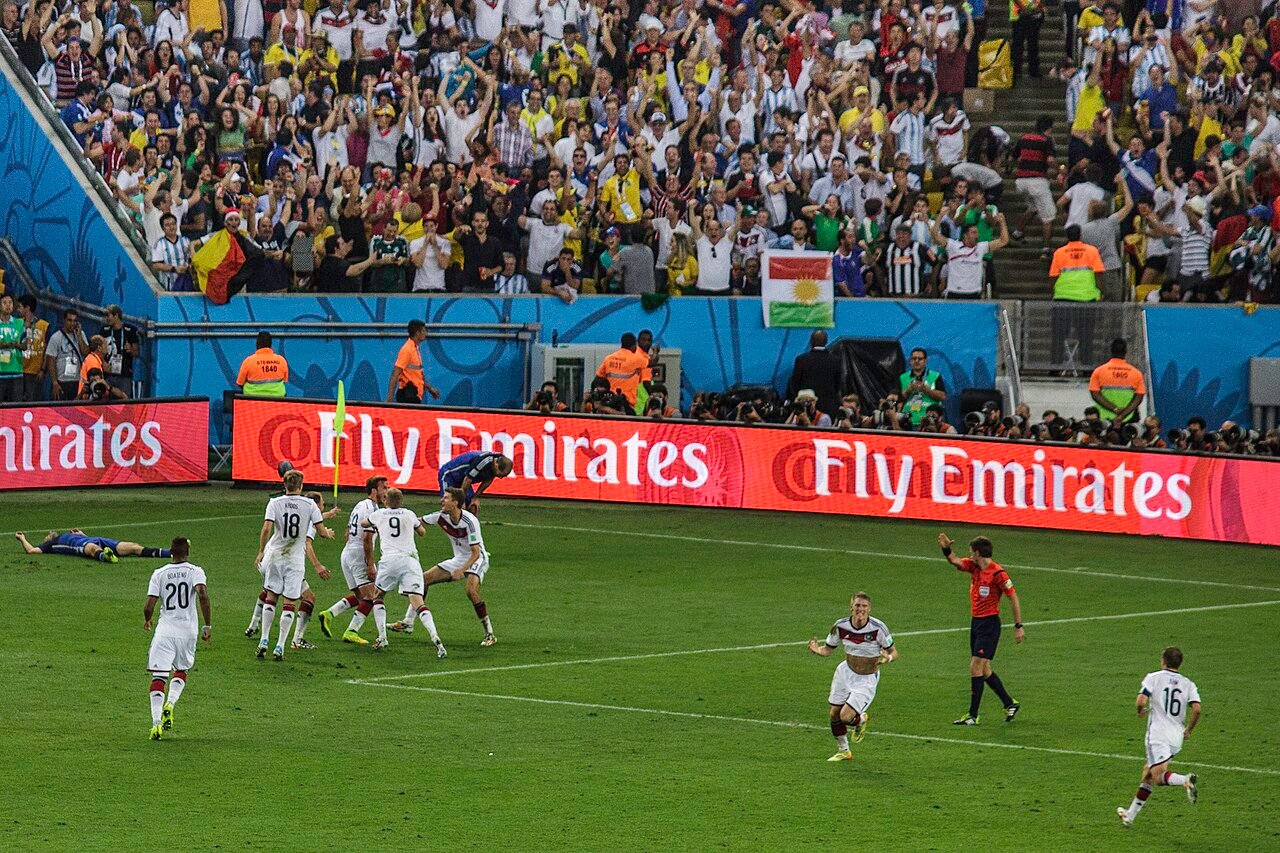
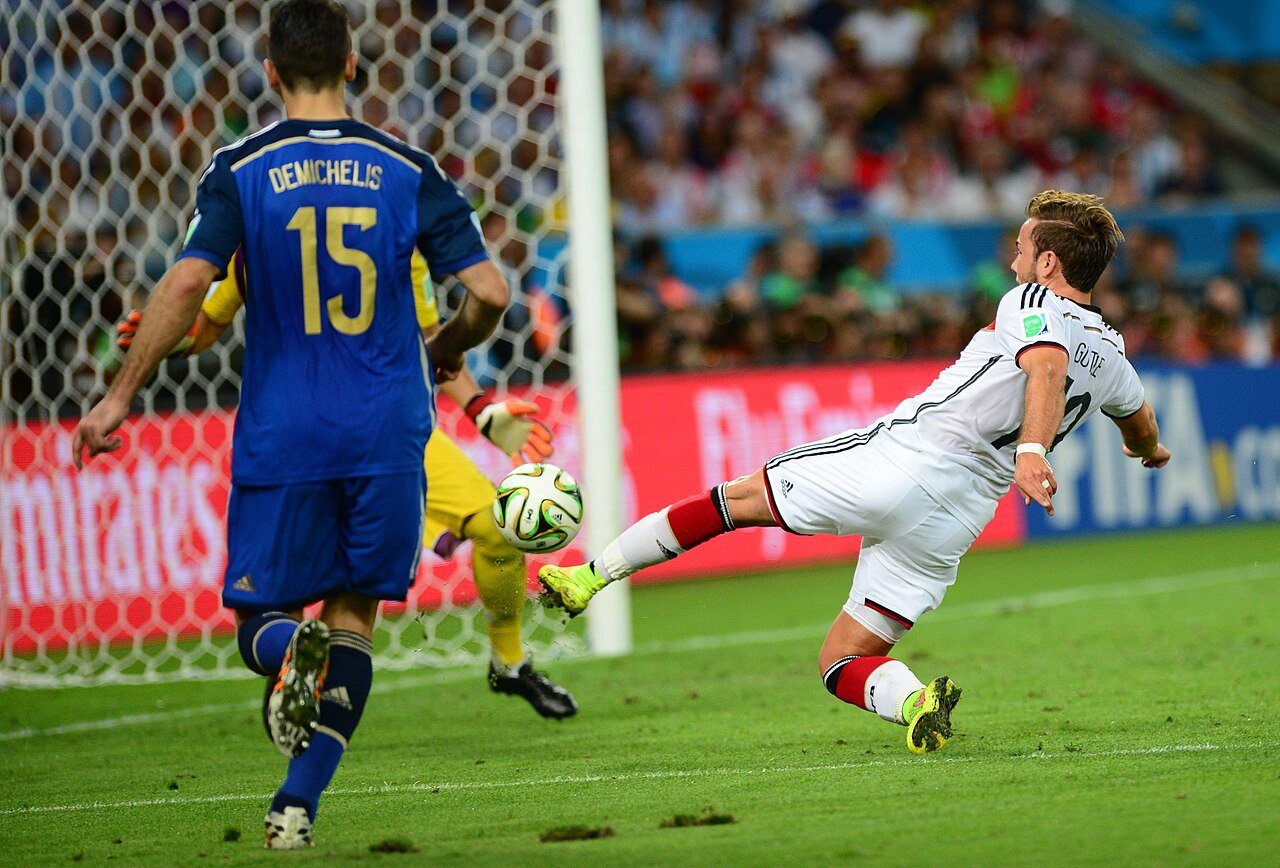
13 July, Maracanã. Germany vs Argentina, the third final between the two nations. Argentina had the clearest chances — Higuaín ran through alone and skied it — Germany controlled the game, and in the 113th minute Mario Götze came off the bench, chested down a cross from Schürrle and finished it with a sweet left-footed volley.
Messi, who was named the tournament's best player, walked past the trophy on his way to the dressing room without looking at it. That image again.
That Neymar's absence, injured in the quarter-finals, explains the thrashing.
That it helps explain the mood, not the scoreline. A team doesn't concede five goals in eighteen minutes just because they're missing a forward: what we saw was a collective collapse, with the defence in pieces and the midfield overrun in every play. Later tactical analyses point out that Brazil had played badly throughout the tournament and covered it up with drama: they'd scraped past Chile on penalties and Colombia with real difficulty. The absence of Thiago Silva, the centre-back and captain, who was suspended, probably weighed more heavily than Neymar's.
That Miroslav Klose is the all-time top scorer in World Cup history.
That it's true: in that 1-7 he scored his 16th goal and overtook Brazilian Ronaldo, who had 15. The irony was in the setting: he managed it in Brazil, against Brazil, on the darkest night in Brazilian football. Klose spread those 16 goals across four World Cups, from 2002 to 2014. The record still stands.
That the 1-7 hurt more than the 1950 defeat.
That in Brazil there's no consensus, and those who lived through both tend to say the opposite. The 1-7 was more humiliating in sporting terms; the Maracanaço was more painful because it came when the country already thought it was champion, in front of 200,000 people and in a final. Plus there was a decisive difference: in 2014 Brazil was still a five-time champion; in 1950 they hadn't won anything yet. The comparison works well in headlines and badly in reality.
What remained
The technology remained: 2014 premiered goal-line technology, the kind that had been needed since 1966. Europe's first World Cup victory on American soil remained — no European team had ever won a World Cup in the Americas before. And a thrashing remained that in Brazil is still spoken of with caution.
- 2014 FIFA World Cup — Wikipedia
- RSSSF — full 2014 tournament data
- The final photos come from photographers with Creative Commons licensing and from Agência Brasil, via Wikimedia Commons.

💬 Comments
Have your say, YouTube-comments style but at home. Be polite — decent folk read this.