Argentina 1978: the World Cup of dictatorship, the 6-0 thrashing of Peru and Rensenbrink's post

- Argentina won the 1978 FIFA World Cup during military dictatorship, with the controversial 6-0 victory against Peru that raised suspicions of manipulation
- Rensenbrink had a golden opportunity in the final match that could have changed history, hitting the post at a decisive moment
- The 1978 World Cup in Argentina was marked by questions about the legitimacy of results under an authoritarian regime
This chapter is different from the others. In 1934 a regime used a World Cup as a showcase and that already seemed grave. What happened in 1978 is of a different magnitude, and it can't be told purely as a football story.
🇦🇷 The 1978 World Cup in figures
- Host nation
- Argentina
- Teams
- 16
- Champions
- 🏆 Argentina
- Runners-up
- Netherlands
- Final
- Argentina 3-1 (aet) Netherlands
- Stadium
- Monumental · Buenos Aires
- Attendance
- 71,483
- Top scorer
- Mario Kempes (Argentina), 6 goals
A World Cup with the ESMA next door
The hosting rights had been awarded in 1966, long before the coup. But when June 1978 arrived, Argentina had been ruled for two years by a military junta led by Jorge Rafael Videla that was making thousands of people disappear.
The fact that says it all: the Naval Mechanics School, the ESMA — the country's main clandestine detention and torture centre, through which thousands of prisoners passed — is just over a kilometre from the Monumental Stadium. The prisoners could hear the roar from the stadium. Today the ESMA is a memory museum declared World Heritage by Unesco.
The regime spent a fortune organising it and launched an international campaign to launder its image. There were calls for boycotts in Europe, especially from France and the Netherlands, and they didn't catch on. Videla presented the trophy.
Holland, yet again, and yet again without winning
The Dutch reached the final without Johan Cruyff. For thirty years it was assumed this was a protest against the dictatorship; he denied it in 2008: the reason was a kidnapping attempt at his Barcelona home the year before.
Even so they made it to the final. And they were one post away from winning it: in the 90th minute, with the score 1-1, Rob Rensenbrink shot and the ball hit the woodwork. If it goes in, Holland are world champions and this whole story gets told differently.
Before kick-off, the Argentines had done two things that wound the Dutch up: coming out late, leaving them waiting on the pitch in front of 70,000 people, and then complaining about the plaster cast that René van de Kerkhof had on his arm — the same one he'd played with in the previous five matches — forcing him to wrap it with more bandage. When it ended, the Dutch players refused to attend the trophy ceremony.
The 6-0 against Peru
And here's the match that the world still hasn't fully digested nearly fifty years later.
With the format of that World Cup, there were no semi-finals, just a second group phase. Argentina played after Brazil and knew exactly what they needed to reach the final: beat Peru by a four-goal margin.
They won 6-0.
Peru weren't a bad team — they'd topped their group ahead of Scotland and the Netherlands — and their goalkeeper, Ramón Quiroga, had been born in Argentina. From that point on, the match has been surrounded by accusations for half a century.
That the match was fixed by the dictatorship: that thousands of tonnes of grain were sent to Peru, that credit lines were unfrozen, and that Argentina took in a group of Peruvian political prisoners in exchange for the result.
That there are very serious accusations, concrete testimonies and zero judicial proof. What exists: statements from a former Peruvian senator about the transfer of political prisoners, information about grain shipments and credits, and an open case in Peru that went nowhere. What doesn't exist: not a single document, not a conviction, not a confession from any player. Several Peruvian footballers have always denied it firmly. Honesty demands saying both things: that the context was one of a dictatorship capable of anything and that the result is extremely strange, but that proven match-fixing, there is none. Anyone who tells you it as settled fact — in one direction or the other — is selling you a version.
That the regime organised the World Cup to cover up its crimes and that the title was a gift.
That the propagandistic use is heavily documented and no one disputes it: international image campaign, extravagant spending, the junta in the stands, Videla handing over the trophy and the ESMA operating a kilometre away. But the hosting rights were awarded in 1966, ten years before the coup, and Menotti's team was genuinely good. Both things coexist: a legitimate sporting title within a tournament that a criminal regime squeezed for all it was worth. Reducing it to just one of the two halves is what usually gets done wrong.
That the rain of confetti at the Monumental was a spontaneous explosion of popular joy.
That the image is real and iconic — and that many people in Argentina celebrated in good faith, without knowing what was happening. That's also part of the story and it's worth not judging it from 2026 onwards. What is documented is that the regime encouraged and exploited it: there was a communications plan behind it, and what you saw in the stands coexisted with what was happening a kilometre away without most people knowing.
The final: Kempes, and the woodwork
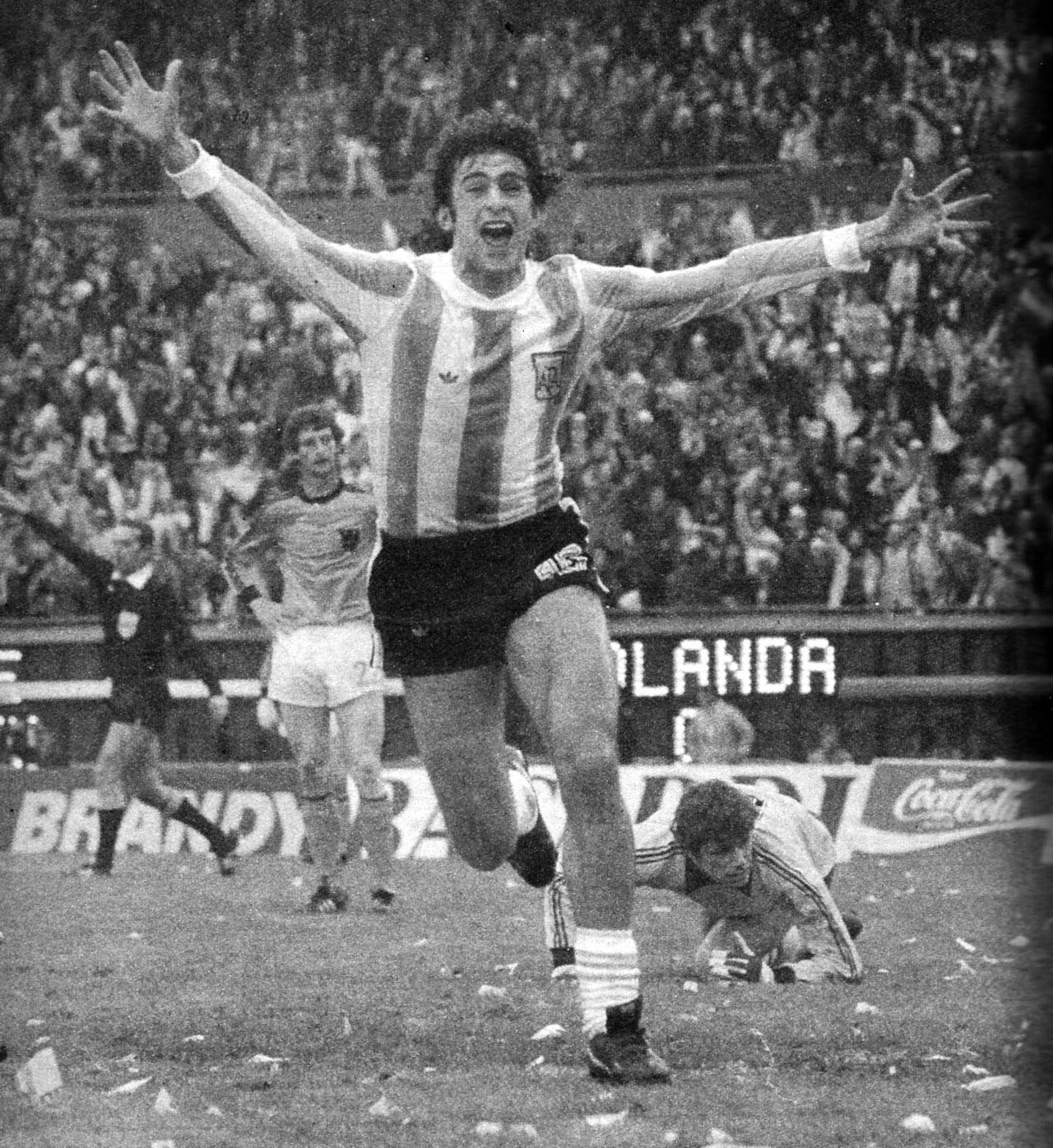
25 June, Monumental, confetti everywhere. Kempes opened the scoring before half-time; Nanninga equalised in the 82nd minute; Rensenbrink hit the post in the 90th. In extra time, Kempes again and then Bertoni: 3-1.
Kempes finished with six goals and the tournament's Golden Ball. He's the only Argentine to be a World Cup's top scorer.
What remained
Argentina won their first World Cup, and that's a sporting fact no one can take away from them. But there's an asterisk stuck to it that won't go away: in 2026 people are still arguing whether that trophy can be celebrated without caveats, and within Argentina itself opinions are divided.
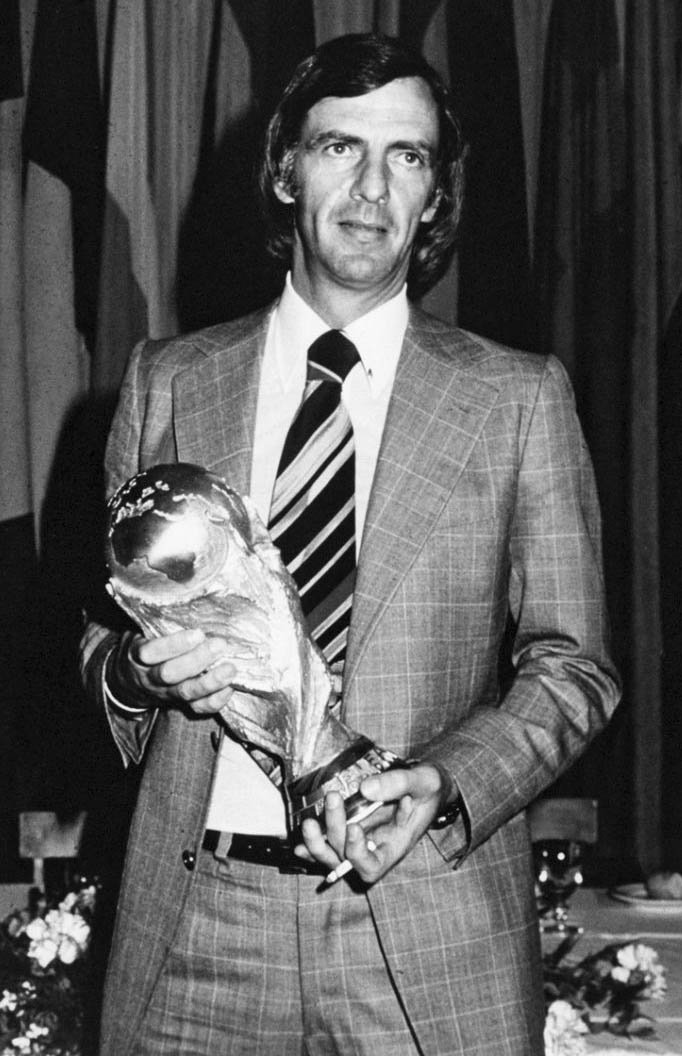
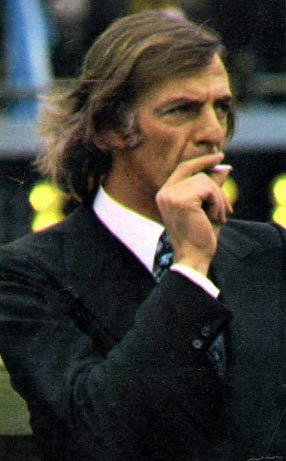
Menotti, who died in 2024, was one of those who spoke most about the matter over the years: he always defended that his team played cleanly and that he wasn't part of the regime, and at the same time acknowledged what that country was in 1978.
And there was the Netherlands' third lost final — because they would lose another in 2010. Four finals without winning any; no other country racks up so much bad luck in this tournament.
- 1978 FIFA World Cup — Wikipedia
- RSSSF — complete 1978 tournament data
- On the 6-0 against Peru, journalistic investigations and testimonies have been published for decades without any judicial body proving match-fixing: here the accusations are collected along with their lack of proof.
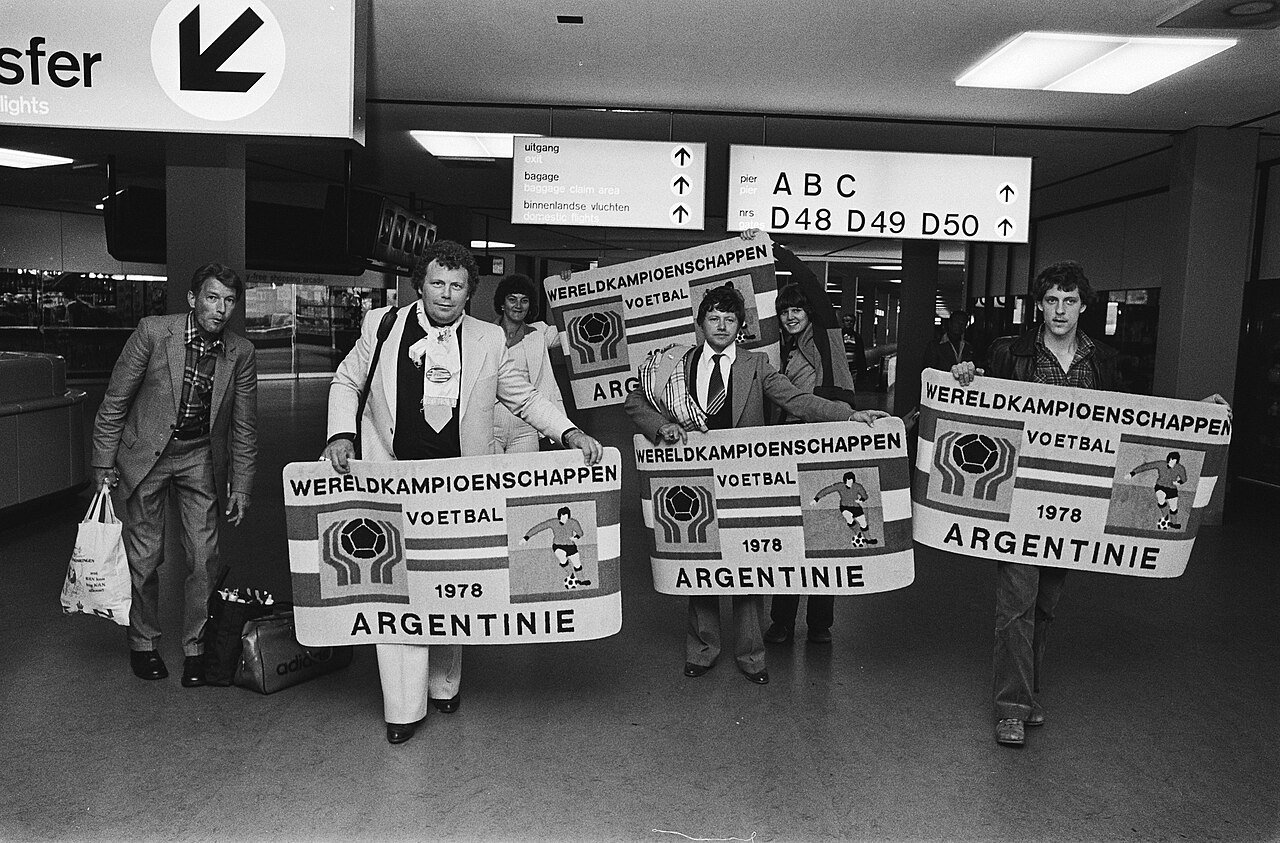
- The photos from the final are in the public domain and those of Dutch fans come from the Anefo archive (CC0), via Wikimedia Commons.

💬 Comments
Have your say, YouTube-comments style but at home. Be polite — decent folk read this.