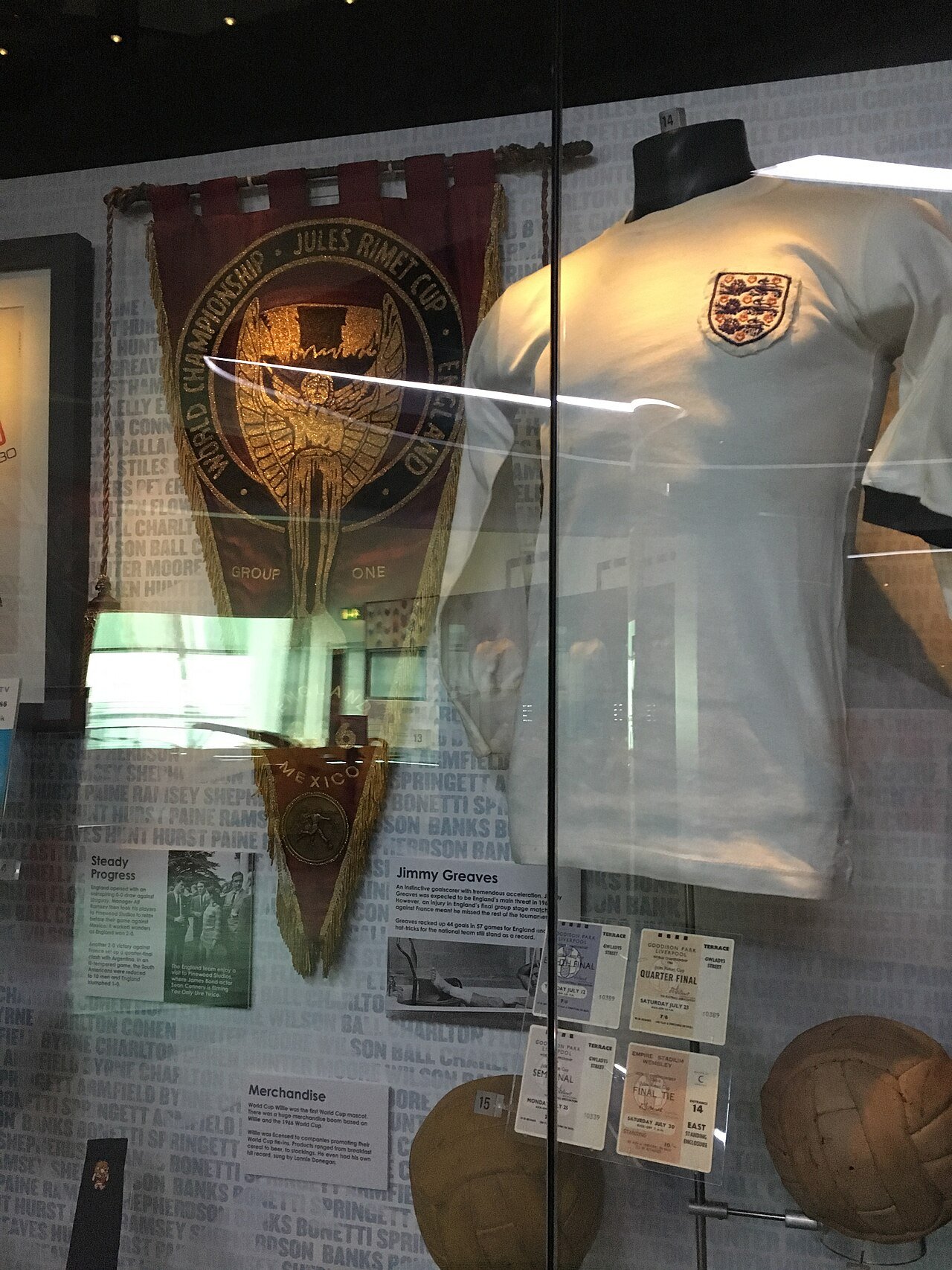
England 1966: the ghost goal, the dog that found the Cup and the North Korea that knocked out Italy

- England won the 1966 FIFA World Cup with the controversy of the 'ghost goal' in the final against Germany, where it was questioned whether the ball completely crossed the goal line
- A dog found the Jules Rimet Trophy that had been stolen before the 1966 tournament, becoming a memorable historical fact of the championship
- North Korea surprised the world by eliminating Italy in the group stage of the 1966 World Cup, achieving one of the biggest upsets in football history
England had been telling the world since 1863 that football was its game, and had been swallowing the bitter pill since 1950 when a bloke named Zarra knocked them out of a World Cup. In 1966 it was their turn to host it at home. And they won. But few victories have come with so many asterisks attached.
🏴 The 1966 World Cup in numbers
- Host
- England
- Teams
- 16
- Champions
- 🏆 England
- Runners-up
- West Germany
- Final
- England 4-2 (a.e.t.) West Germany
- Stadium
- Wembley · London
- Attendance
- 96,924
- Top scorer
- Eusébio (Portugal), 9 goals
Someone nicked the World Cup, and a dog found it
In March 1966, four months before the tournament, the Jules Rimet Trophy was on display at a stamp exhibition in London. And it vanished. Stolen. Scotland Yard in a panic and an entire nation looking daft before hosting its own World Cup.
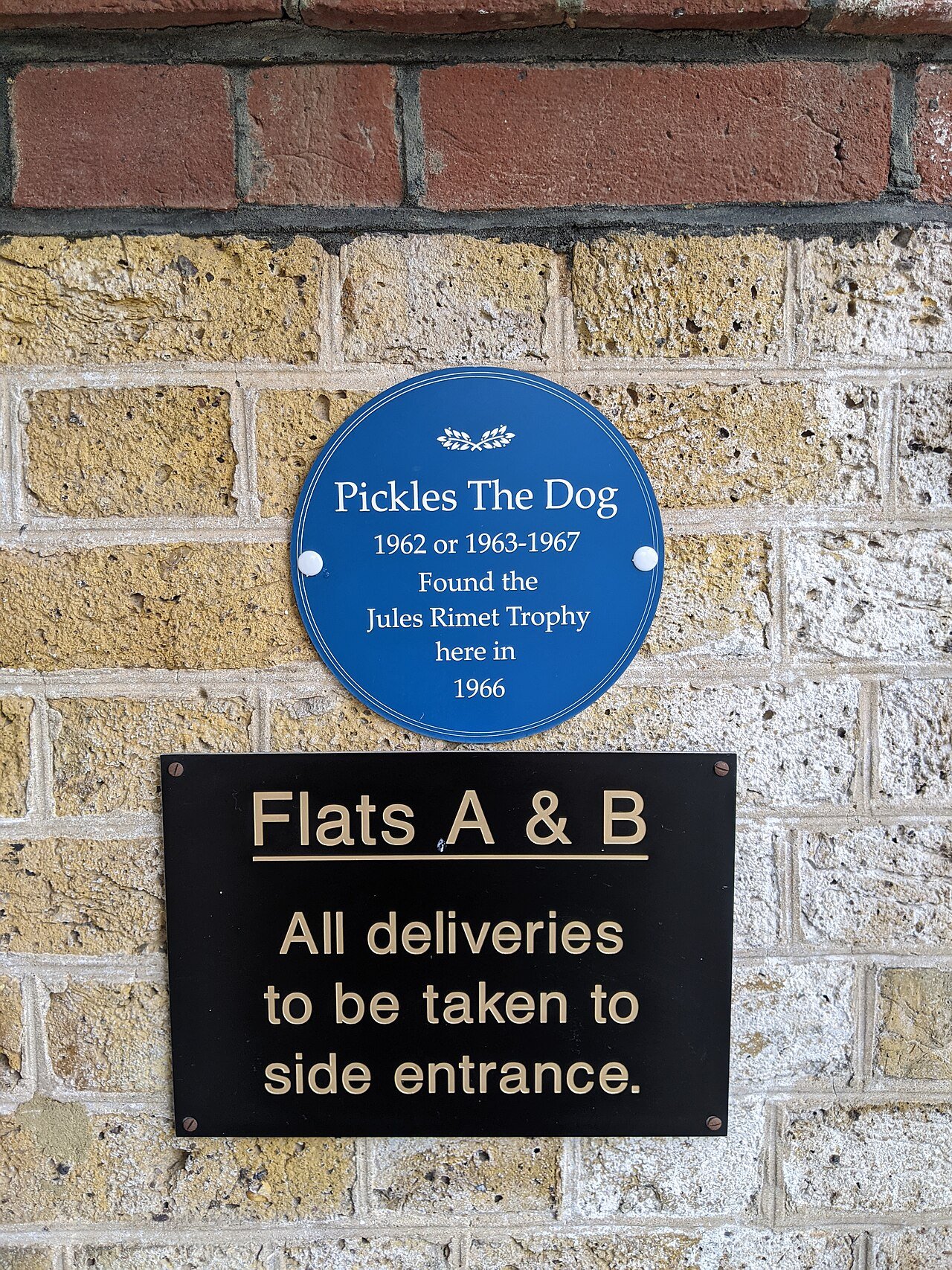
It turned up a week later, on 27 March, wrapped in newspaper under a hedge in south London. A black and white mongrel named Pickles found it while out for a walk with his owner.
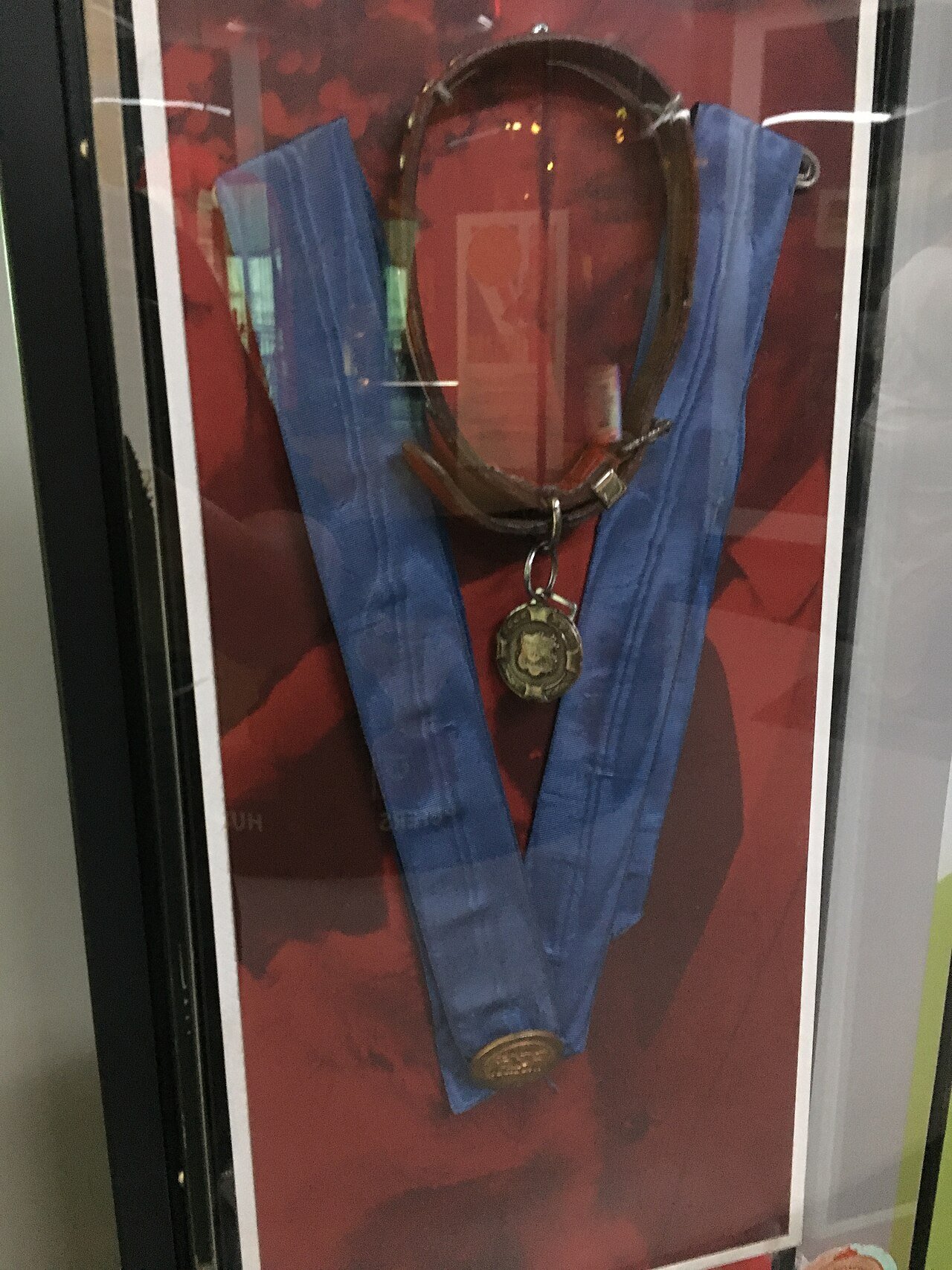
Pickles became absolutely famous: he was invited to the title celebration banquet, starred in a film and received a medal. Today there's a commemorative plaque at the spot where he sniffed it out.
North Korea knock out Italy
Nobody knew anything about North Korea. It was a closed-off country playing its first World Cup and many expected them to get hammered out of sight. They drew with Chile and, on 19 July in Middlesbrough, beat Italy 1-0 with a goal from Pak Doo-ik. Italy, two-time world champions, knocked out in the first round by a team that barely had any decent photos of them.
The Middlesbrough crowd fell in love with the Koreans and packed the stadiums to watch them. In the quarter-finals they were up 3-0 against Portugal with twenty-five minutes gone… and lost 5-3, with Eusébio grabbing four.
And there's an absence worth mentioning: the entire African continent boycotted this World Cup. FIFA was handing out just one spot to share between Africa, Asia and Oceania, and African federations refused to take part in qualifying. It was the push that eventually forced FIFA to give Africa its own dedicated place.
The final: three goals from Hurst, and one nobody's sure about
30 July, Wembley packed solid. West Germany went ahead, Hurst levelled it, Peters put England 2-1 up and the Germans equalised in the last minute. Extra time.
Minute 101. Hurst latches onto the ball, his shot hits the crossbar, bounces on the line and flies back out. Swiss referee Gottfried Dienst isn't sure, he goes to consult with linesman Tofiq Bahramov and he nods. Goal. Hurst added another in the 120th to seal the 4-2.
Geoff Hurst remains, to this day, the only footballer ever to have scored a hat-trick in a World Cup final.
That the ball bounced in and the goal was legitimate. Or, depending on who's telling it, that it was the greatest robbery in football history.
That modern analysis mostly points to the ball not fully crossing the line. Universities have done photogrammetry studies from several angles and the most cited result is that it fell short by a few centimetres. But we should also say this: the 1966 footage doesn't have the quality or camera angles to close the book with absolute certainty, which is why sixty years later we're still arguing about it. What nobody argues about is that with today's technology — with goal-line technology — it would never have been given without verification.
That years later, Tofiq Bahramov was asked why he'd given the goal and answered in just one word: «Stalingrad». In other words, revenge against the Germans for the war.
That it's the most repeated anecdote from the match and the worst documented one. It circulates in dozens of versions, all secondhand, and there's no solid source where he actually said it. Plus there's a howler that almost everyone repeats: Bahramov wasn't Russian, he was Azerbaijani. In Baku, where the national stadium bears his name, the story gets told with considerably less enthusiasm than it does in London.
That when the Italian players came home after losing to North Korea, they were greeted with a barrage of tomatoes.
That a hostile reception is beyond doubt — the elimination was a national scandal and the team landed in Genoa in the early hours to avoid the crowds —, but the specific detail about the tomatoes changes depending on the source: airport, city, quantity, and even whether they were tomatoes or something else. It's one of those stories that everybody takes as gospel and nobody has pinned down with a contemporary source.
What remained
England kept their only star, which sixty years later remains unique. Germany kept a thorn that they pulled out in 2010, when Frank Lampard scored a goal against Germany that clearly crossed the line and the referee didn't award it — the symmetry is so perfect it looks scripted. And football kept the lesson: that 2010 moment was the final push that got FIFA to accept goal-line technology.
North Korea kept Middlesbrough, who still love that team. And Pickles got a plaque.
- 1966 FIFA World Cup — Wikipedia
- RSSSF — complete 1966 tournament data
- Photos in this chapter are scarce because almost all English 1966 material is still under copyright: only public domain or Creative Commons images are used here.
- The «Stalingrad» quote and the tomatoes thrown at Italy are presented for what they are: widely repeated stories without solid sources.