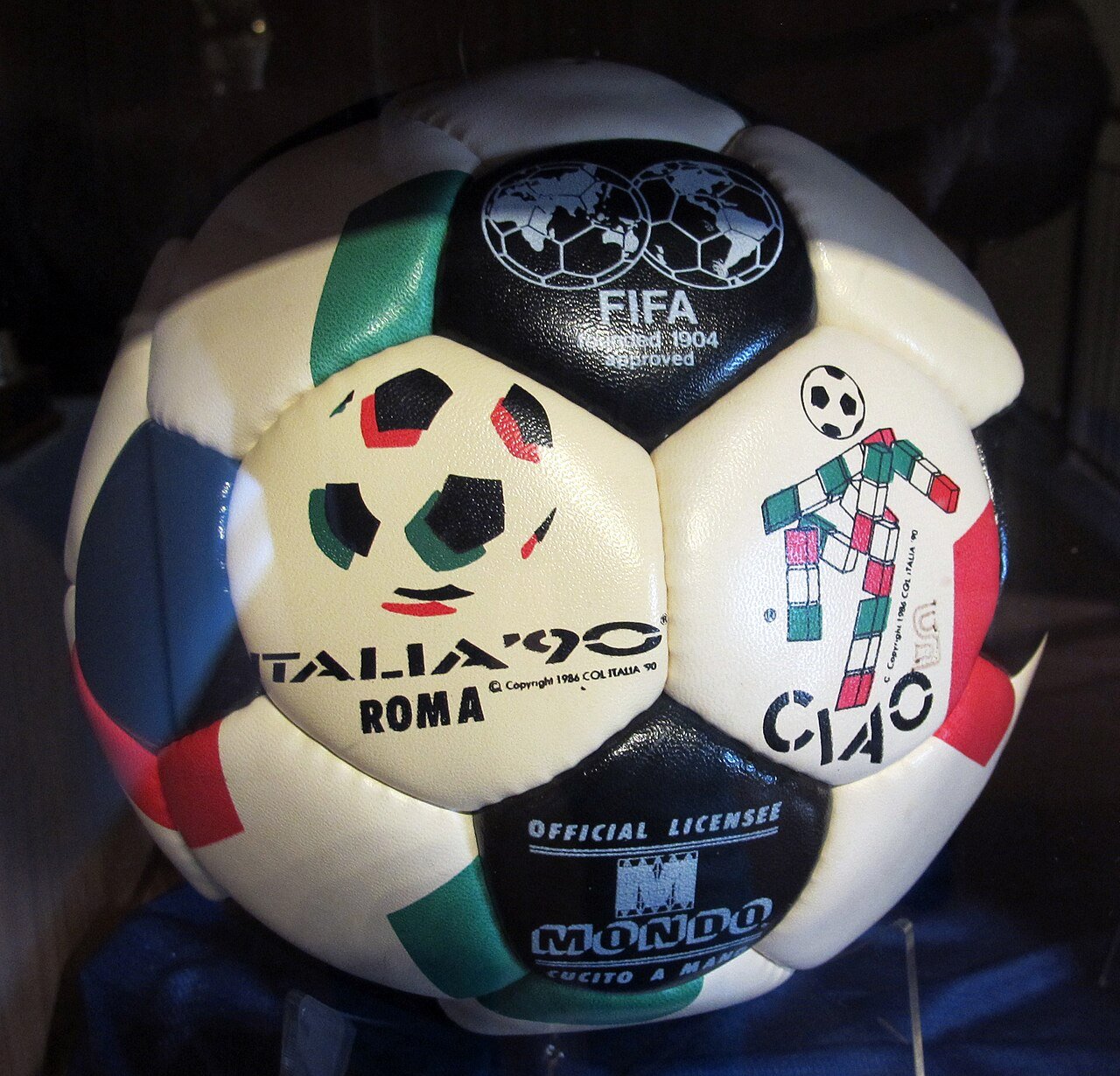
Italy 1990: Cameroon stun the champions, Roger Milla's dance and the World Cup with fewest goals in history

- Cameroon achieved the historic feat of eliminating defending champion Argentina in the first round of the 1990 Italy World Cup
- Roger Milla became an iconic figure of the tournament with his celebratory dance next to the corner flag that remained in football's memory
- Italy 1990 was the World Cup with the fewest goals scored in the entire history of the World Cups
After the four minutes of Maradona at the Azteca, football went on the defensive. Italy 90 is Notti Magiche, one of the most memorable World Cup soundtracks ever, and at the same time the most defensive tournament ever played. Both things at once.
🇮🇹 The 1990 World Cup in numbers
- Host nation
- Italy
- Teams
- 24
- Champions
- 🏆 West Germany
- Runners-up
- Argentina
- Final
- West Germany 1-0 Argentina
- Stadium
- Olympic Stadium · Rome
- Attendance
- 73,603
- Top scorer
- Salvatore Schillaci (Italy), 6 goals
Cameroon stun the champions
June 8th, San Siro, opening match: Argentina, defending World Cup champions and with Maradona, against Cameroon. The Africans played hard as nails, finished with nine men and won 1-0 with a header from Omam-Biyik that the goalkeeper couldn't handle.
It wasn't a fluke. Cameroon topped their group, knocked out Colombia in the round of 16 and reached the quarter-finals, the first time an African team had gone that far. There they got 2-1 up against England and lost 3-2 in extra time, with two Lineker penalties.
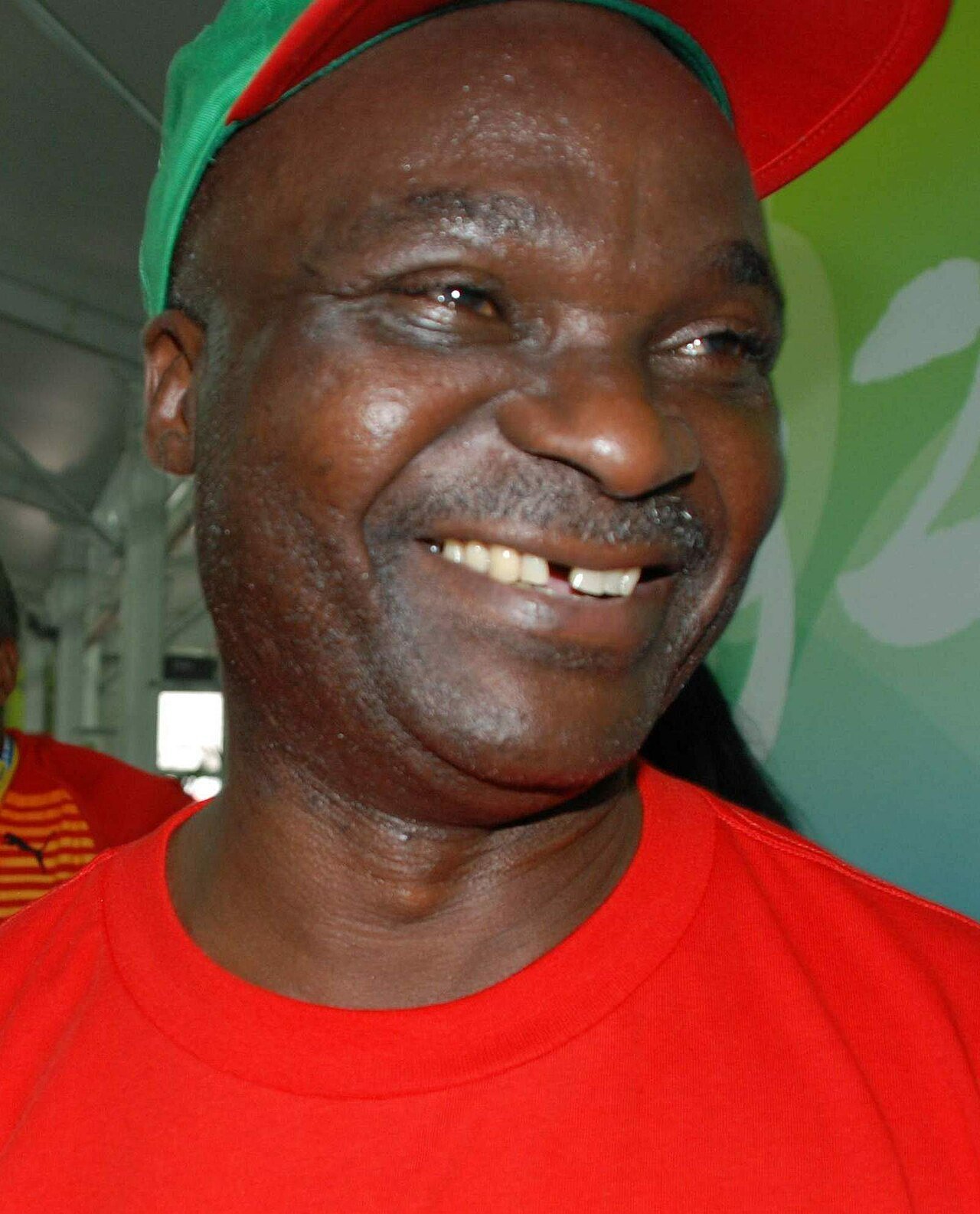
The symbol of all that was Roger Milla, a striker aged 38 who came off the bench, scored four goals and celebrated each one dancing with his arm around the corner flag. That celebration went around the world and people still copy it.
Naples, Maradona and an impossible betrayal
The semi-final between Italy and Argentina was played in Naples. That's to say: in the city where Maradona was, literally, a saint — he'd won the only two league titles in the club's history for Napoli.
And Maradona did something that Italy never forgave him for: he publicly asked the Neapolitans to support Argentina, reminding them that the rest of the country treated them as second-class citizens the other 364 days of the year.
The match ended 1-1 and Argentina won it on penalties. After that, every time Maradona touched the ball in Italy he was booed, including in the final. They called him a traitor. He always said he was just telling the truth.
Gazza's tears
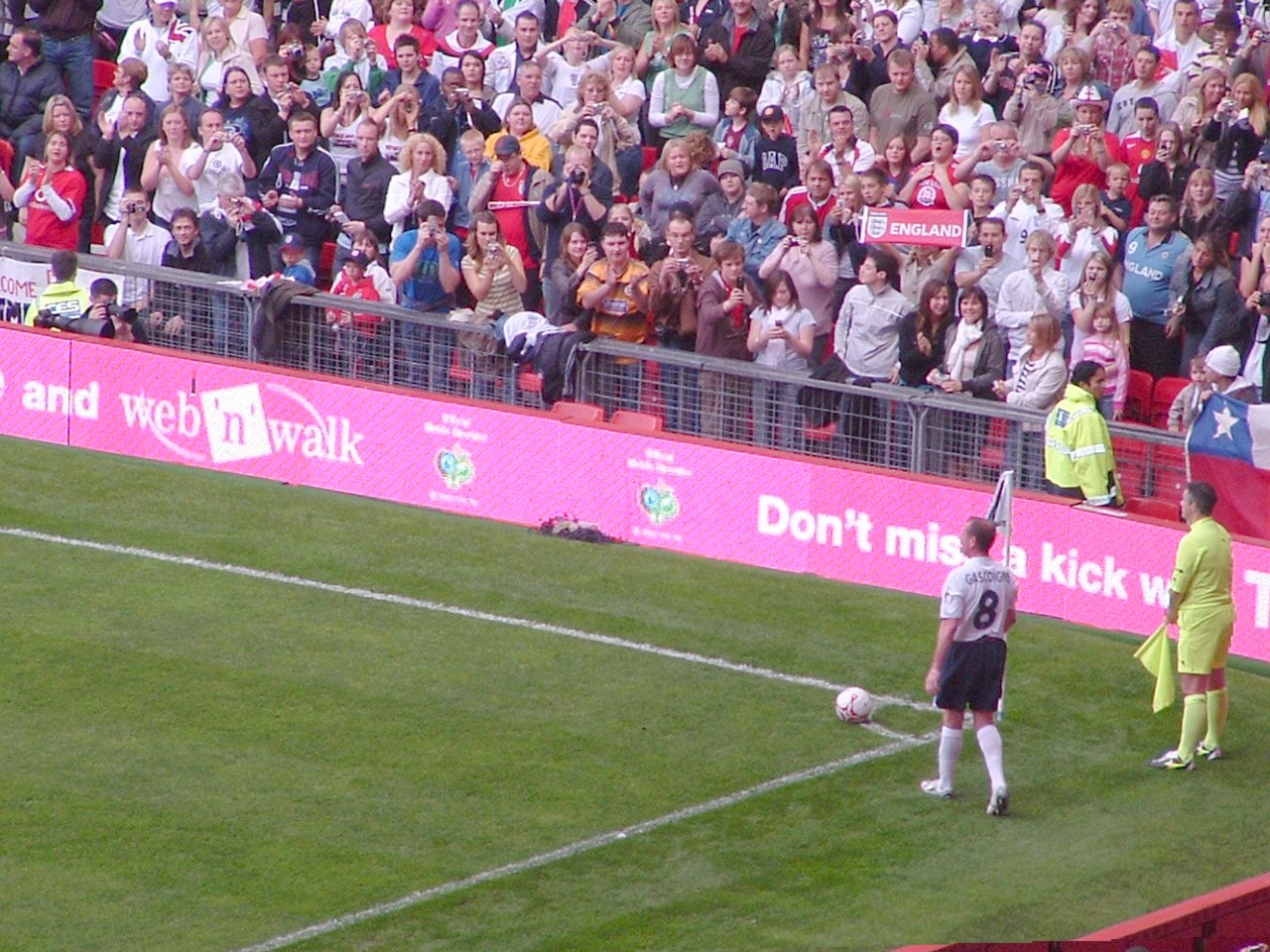
The other semi-final, England against Germany, also went to penalties. But what stayed with people was a television image: Paul Gascoigne, England's great hope, saw a yellow card that would have banned him from a potential final and burst into tears on the pitch.
That image did something curious: in England it's considered the moment when football stopped being a hooligan thing and became popular again among the middle classes. It sounds exaggerated but English sports historians say it themselves.
Schillaci, the unexpected top scorer
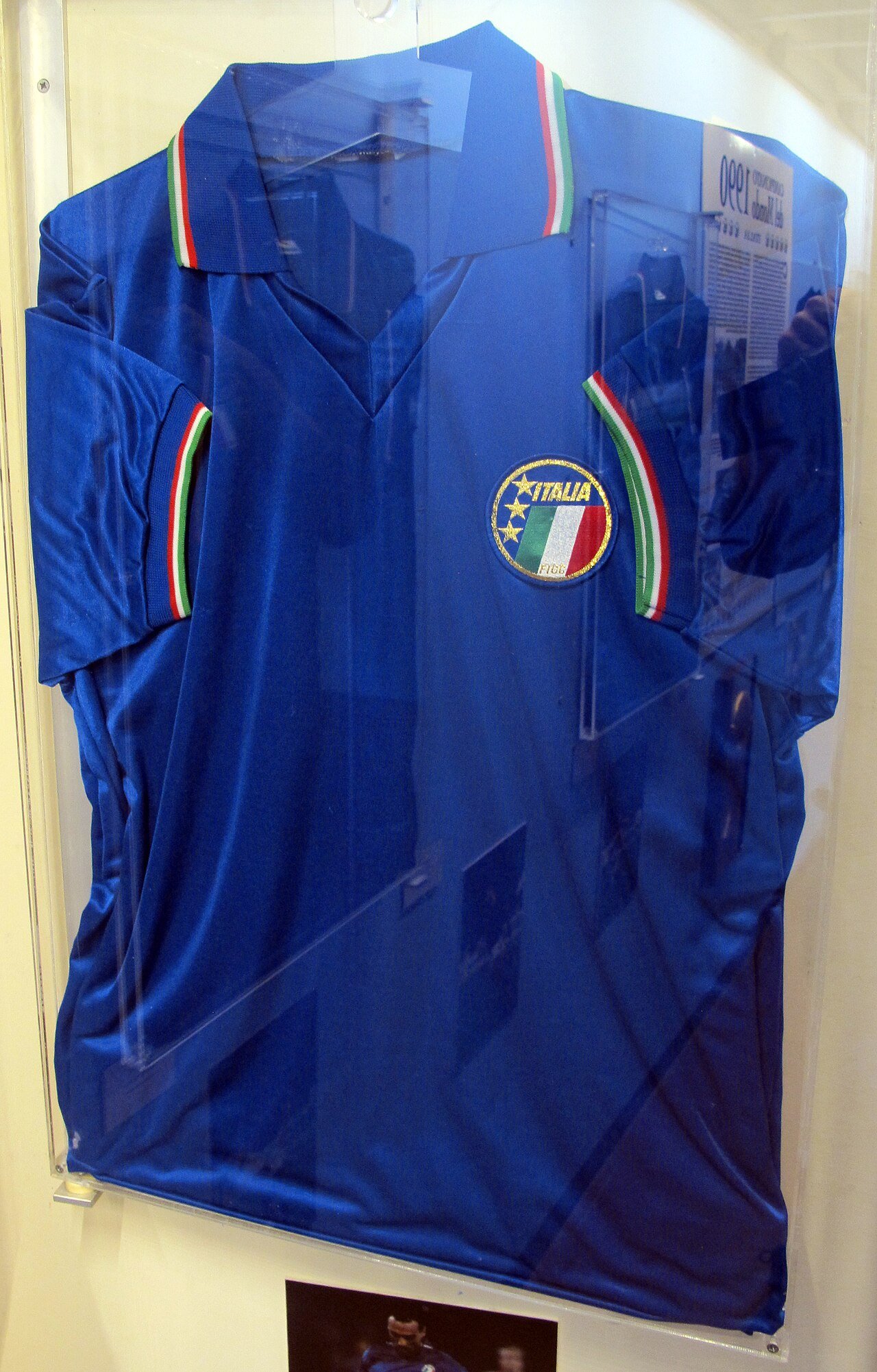
Salvatore Schillaci arrived at that World Cup at 25 years old, with just one international cap and not even a starter. He came off the bench in the opening match, scored, and never stopped: he finished with six goals, top scorer and best player of the tournament.
After 1990 he never scored for Italy again. One entire World Cup of glory and nothing more. He died in 2024 and Italy said goodbye to him like a national hero.

The ugliest final
July 8, Stadio Olimpico in Rome. Argentina reached the final having won just one match in regular time since the last 16, with goalkeeper Goycochea saving penalties in two shootouts, and with four players suspended. Germany was far superior.
The match was a disaster: Monzón saw the first red card in the history of a World Cup final in the 65th minute, Brehme scored from a penalty in the 85th — a highly controversial penalty — and Dezotti was also sent off. Argentina ended with nine players.
At the final whistle, Maradona cried on the pitch while the stadium booed. It's the other great image of the tournament.
That Franz Beckenbauer, captain and champion in 1974 and manager and champion in 1990, is the only one to have achieved it.
That he's not the only one and wasn't the first. Brazilian Mário Zagallo did it before: champion as a player in 1958 and 1962, and as manager in 1970. And then came Didier Deschamps, champion as captain in 1998 and as manager in 2018. That's three. What is true is that Beckenbauer is the only one to have done it as captain and as manager.
That Milla was 38 at that World Cup, and that he was actually quite a bit older.
That his official date is May 20, 1952, which made him 38 years old and just turned during the tournament. Since then there's been suspicion he was older, but there's no proof whatsoever: it's one of those doubts that get repeated without anyone producing a document. And the really striking fact comes four years later: in 1994, at 42 years old, he scored again at a World Cup and remains the oldest goalscorer in the history of the tournament.
That Italia 90 was unbearably boring and left nothing behind.
That the goals thing is objective: 115 in 52 matches, an average of 2.21, the lowest record ever. But from that boredom came two changes that fixed modern football: the ban on goalkeepers handling the ball from a throw-in, approved in 1992, and three points for a win, which FIFA debuted at the 1994 World Cup to reward attacking play. Pretty much everything that makes a match entertaining today was decided because this one was so dull.
What remained
Spain went out in the last 16, losing 2-1 to Yugoslavia in extra time, after Míchel had scored a hat-trick against South Korea in the group stage.
And there was a sense of the end of an era. Maradona would never be quite the same again, Germany reunified three months after that final — the team that won in Rome was the last «West Germany» in history — and football took note that things couldn't go on like this.
- 1990 FIFA World Cup — Wikipedia
- RSSSF — complete 1990 tournament data
- Photo notice: from 1990 onwards almost all match material belongs to agencies and can't be published. Here there are only public domain or Creative Commons images, which is why you'll see portraits taken in other years and museum objects instead of match photos. Each caption says exactly what it is and when it's from.

💬 Comments
Have your say, YouTube-comments style but at home. Be polite — decent folk read this.