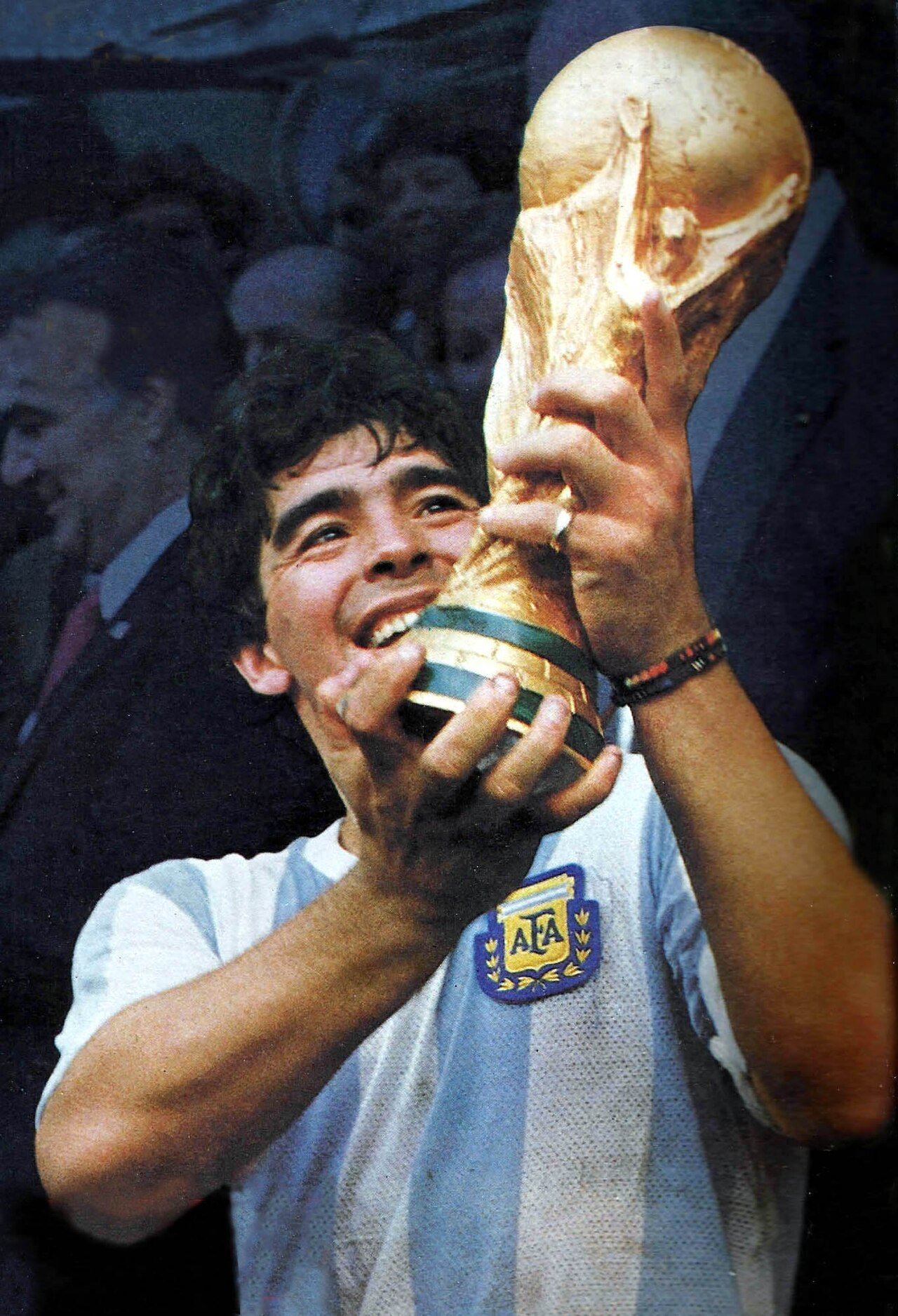
Mexico 1986: Maradona's four minutes, the Hand of God and the Goal of the Century

- Maradona scored two goals in four minutes against England in the quarter-finals of the 1986 Mexico World Cup
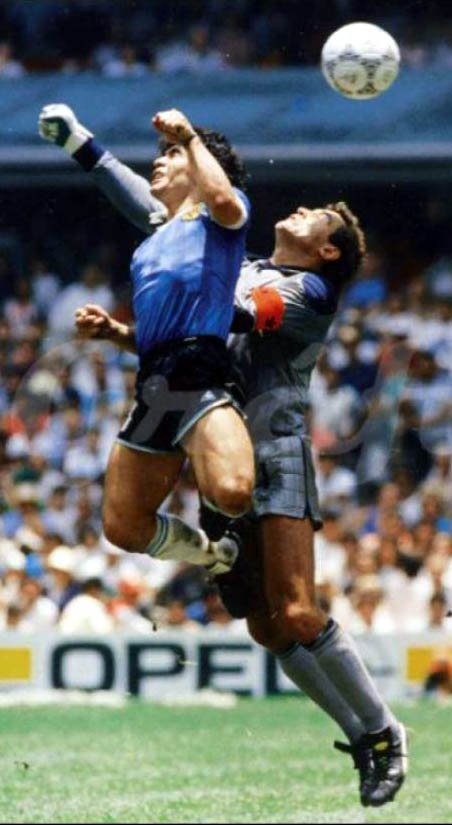
- The first goal was the 'Hand of God', where Maradona used his hand to deceive the referee and score
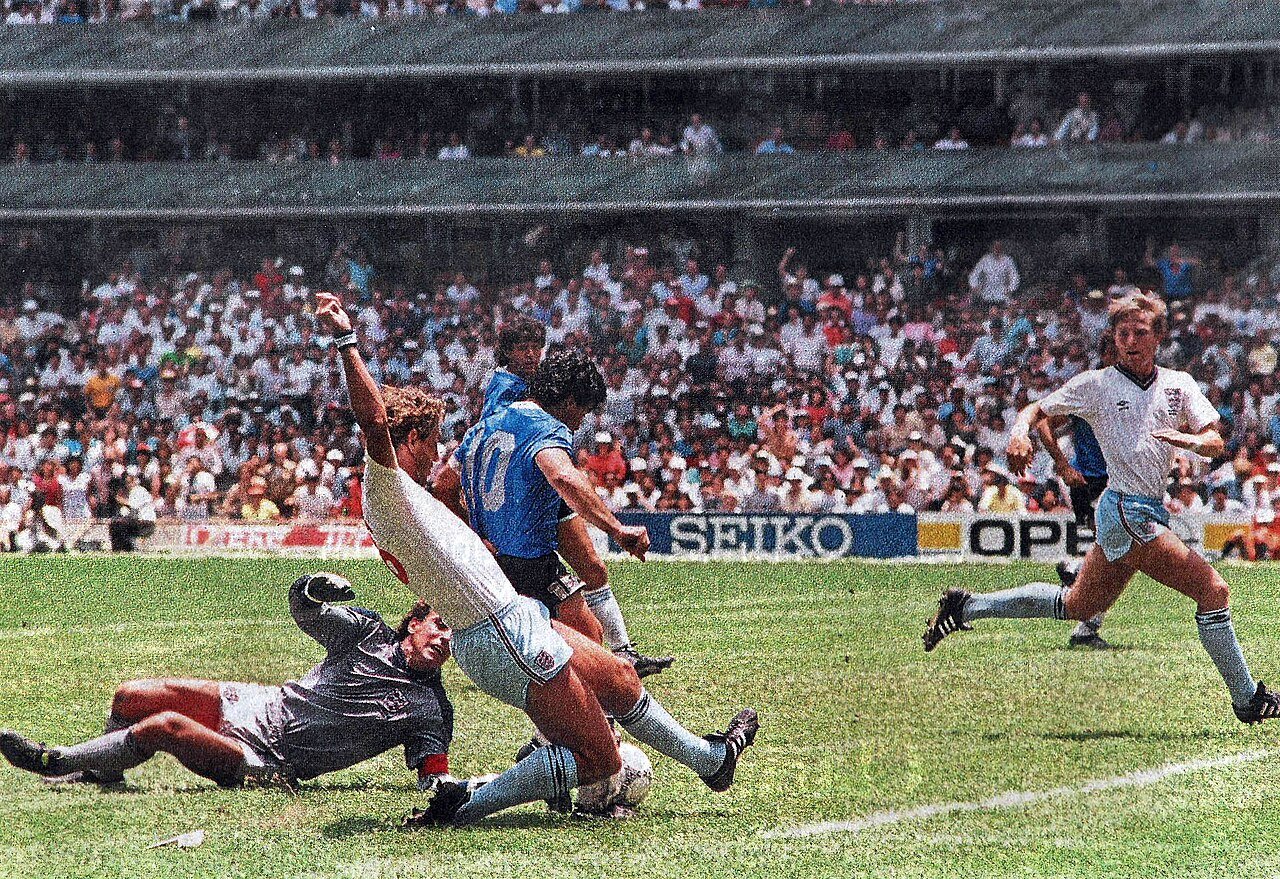
- The second goal was considered the 'Goal of the Century' for its brilliance and skill in dribbling past several English players
There are World Cups remembered for a team and World Cups remembered for a match. This one is remembered for four minutes of a quarter-final, and for a player who in that time showed football's two faces one right after the other.
🇲🇽 The 1986 World Cup by the numbers
- Host nation
- Mexico
- Teams
- 24
- Champions
- 🏆 Argentina
- Runners-up
- West Germany
- Final
- Argentina 3-2 West Germany
- Stadium
- Azteca · Mexico City
- Attendance
- 114,600
- Top scorer
- Gary Lineker (England), 6 goals
The World Cup Mexico wasn't supposed to host
It was supposed to be in Colombia. FIFA had given them the tournament back in 1974, but in 1982 the country pulled out: they couldn't afford the costs or the infrastructure demands. Mexico, which had already hosted back in 1970, stepped up and took it on.
And then, on 19 September 1985, an earthquake devastated Mexico City and killed thousands. Eight months before the World Cup. There was debate about whether it could go ahead; it did.
Mexico became the first country to host two World Cups. Today they've hosted three, because they were hosts again in 2026.
The four minutes
22 June, Azteca Stadium, quarter-final. Argentina against England, four years after the Falklands War. The atmosphere didn't need explaining.
Minute 51. A ball floated into the box, Maradona jumps against keeper Peter Shilton, who has the reach on him by twenty centimetres, and he puts it in. With his left hand. The Tunisian referee doesn't see it and awards the goal. In the press conference, Maradona came out with that line about it being «a bit with Maradona's head and a bit with the Hand of God». It took him nineteen years to fully admit it had been his hand.
Minute 55. He picks the ball up in his own half, spins between two defenders and sets off. Sixty metres, eleven seconds, five English defenders left in his wake and Shilton once again. People who were there say the stadium, with 114,000 people packed in, took a couple of seconds to react because they couldn't believe what they'd just witnessed.
Both goals, the dirtiest and the cleanest, in the same match four minutes apart. There's nothing else like it in sports history.
Spain: five goals from Butragueño and a lost penalty shootout
Spain arrived in Mexico with the Hawk generation and faced Denmark in the last sixteen, a team that had dominated their group and was the tournament's surprise package.
They won 5-1. And Emilio Butragueño scored four. It remains one of the finest performances in Spain's history and the only time a Spaniard has scored four goals in a World Cup match.
In the quarter-finals against Belgium, a 1-1 draw and elimination on penalties. Again. But that team left the feeling, for the first time in ages, that Spain could compete with anyone.
The final
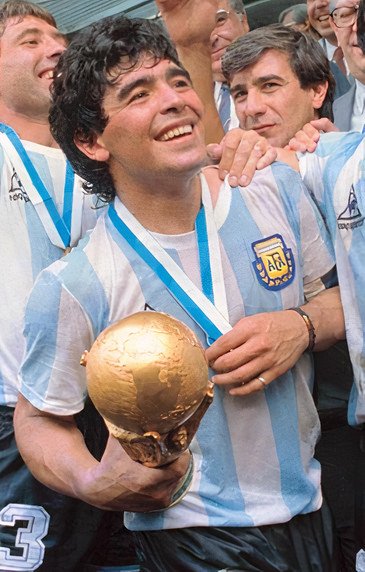
June 29th, Azteca, 114,600 people — the largest attendance at a final since the Maracaná in 1950. Argentina went 2-0 up with goals from Brown and Valdano, Germany equalised 2-2 in ten minutes through Rummenigge and Völler, and in the 84th minute Maradona threaded a through ball for Jorge Burruchaga, who made it 3-2.
Maradona finished with five goals, five assists and the Golden Ball. Germany lost their second consecutive final.
That Argentina were a mediocre side whom Maradona single-handedly carried to the title.
That he was decisive as few players have ever been — five goals and five assists in seven matches, direct involvement in ten of the team's fourteen goals — but he wasn't alone. The goal that won the final was scored by Burruchaga, Brown and Valdano also scored in the final, and Carlos Bilardo's three-centre-back system was designed precisely to unleash him. Being by far the best doesn't make your teammates extras: it makes you a team that knew exactly what it had.
That Maradona scored with his hand as payback for the 1982 war, and that he said so himself.
That the political context was obvious and that years later, in his autobiography, he himself wrote that it felt like robbing an Englishman's wallet. But in 1986 he explicitly denied that the match was revenge for the war, and both he and his teammates insisted at the time they didn't want to mix the two. Both statements are his, made at different points in his life. Telling it only with the epic version that came later is only telling half the story.
That FIFA officially declared his second goal against England as the best in history.
That it was a public internet vote organised by FIFA in 2002, not a panel of expert judges. That doesn't diminish it — it won with over 18% of the votes, ahead of Michael Owen's goal against Argentina — but it's worth knowing exactly what that title is. What is objective: eleven seconds, sixty metres and five defenders beaten in the knockout stages of a World Cup.
What remained
There remained the idea, which has never left us, that a single footballer can win a World Cup. There remained the Mexican wave, which went global from those stands. And there remained Maradona transformed into something more than a player: at Mexico 86 begins the myth that would follow him, for better and for worse, for the rest of his life.
Four years later he would return to a final. But that was another story altogether, and a far sadder one.
- 1986 FIFA World Cup — Wikipedia
- RSSSF — complete 1986 tournament data
- Maradona's statements about the Hand of God changed throughout his life: both his 1986 statements and later ones are included here, without choosing just one.
- The photos are in the public domain via Wikimedia Commons; each carries its author and licence at the bottom.