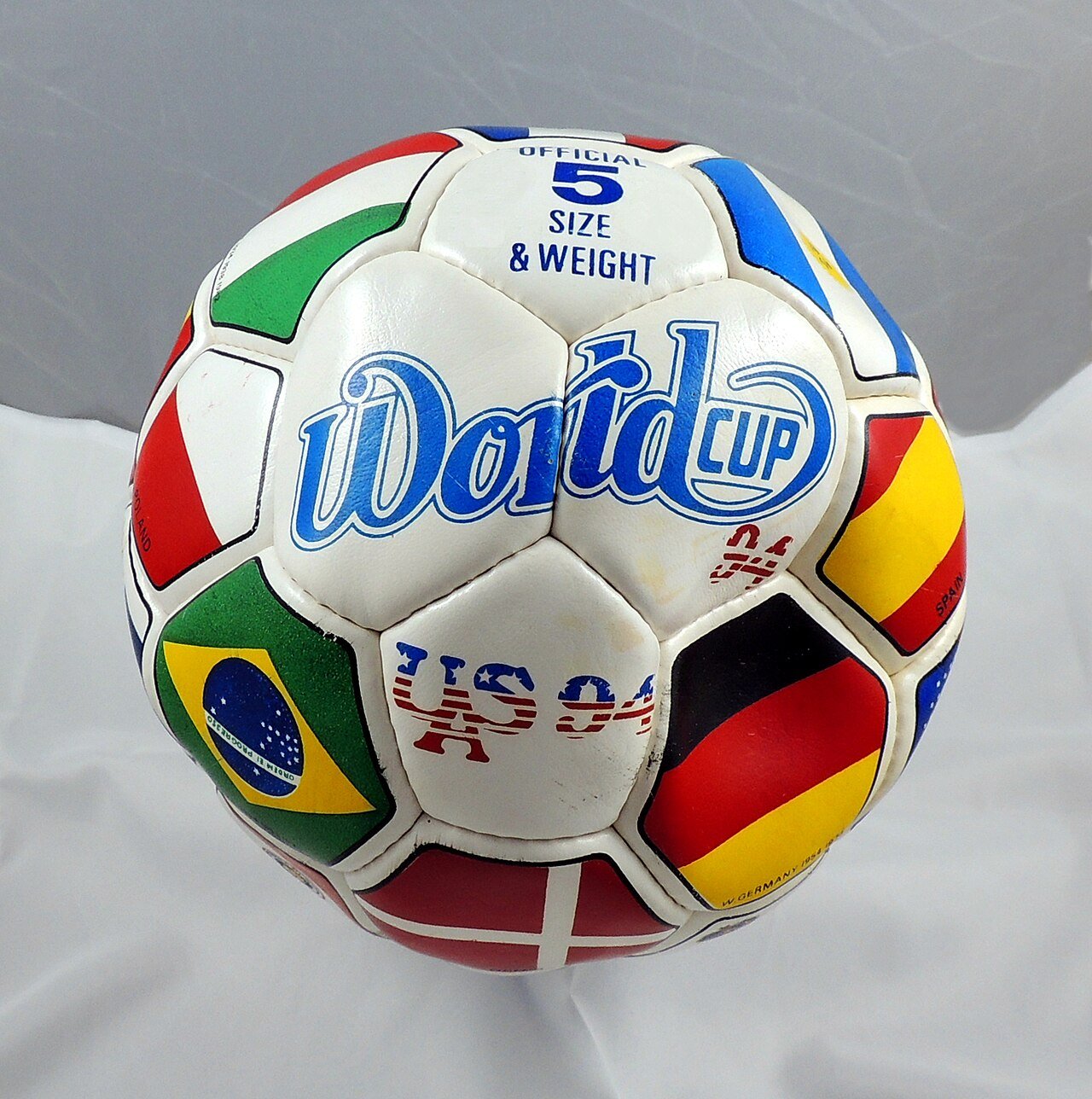
USA 1994: Baggio's penalty, the elbow on Luis Enrique and Andrés Escobar's death

- Roberto Baggio missed a decisive penalty in the 1994 World Cup final that eliminated Italy from the competition
- Luis Enrique suffered an elbow during the tournament that marked a controversial moment in the championship
- The death of Andrés Escobar, Colombian defender, was a tragedy that mourned the tournament after his team's elimination
FIFA took a gamble bringing the World Cup to a country where football barely mattered to anyone. It worked at the box office — no World Cup has ever drawn bigger crowds, before or since — but everything else felt weird: midday kickoffs for European television, 40-degree heat, and a tournament that generated more headlines off the pitch than on it.
🇺🇸 1994 World Cup by the numbers
- Host
- United States
- Teams
- 24
- Champions
- 🏆 Brazil
- Runners-up
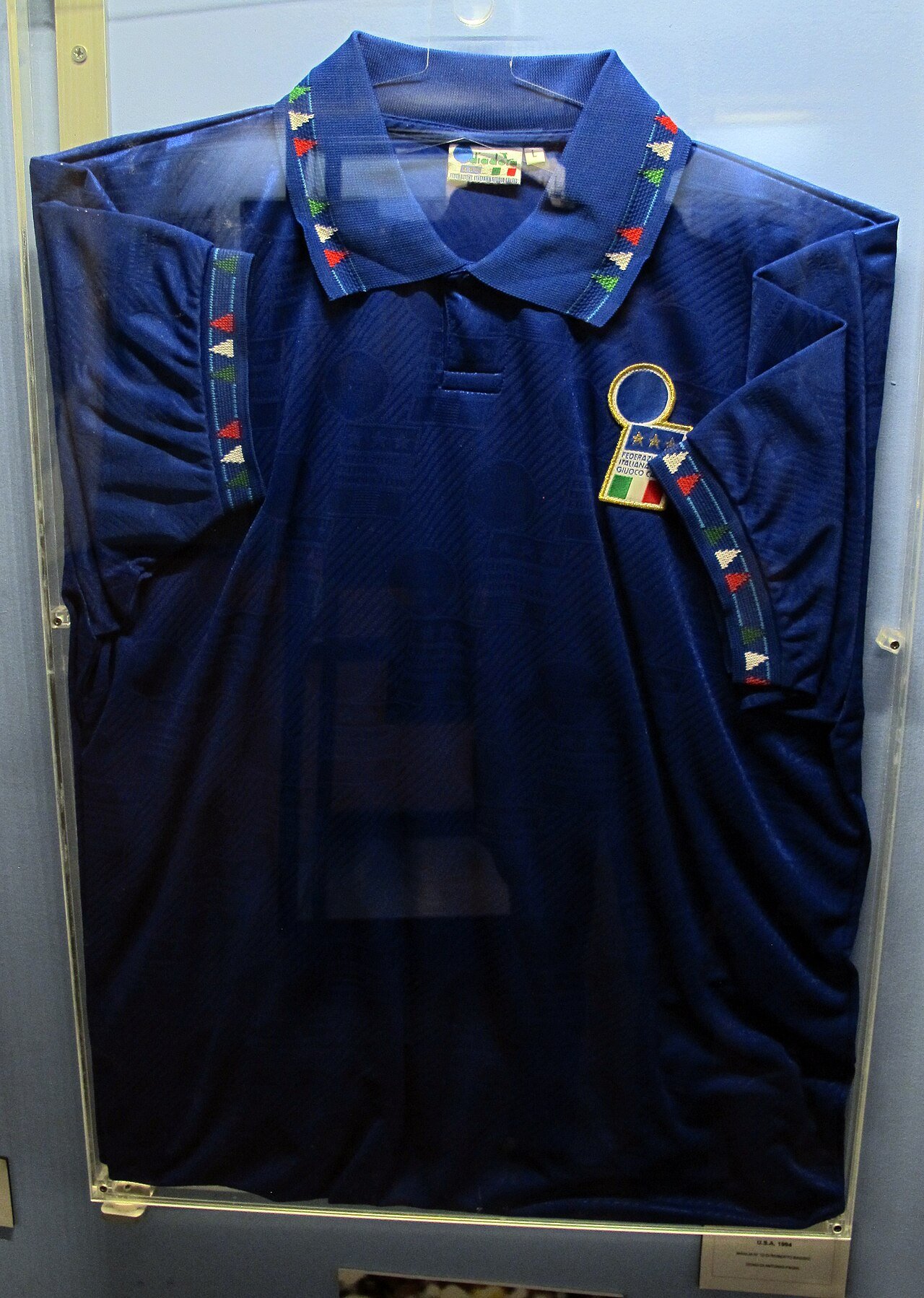
- Italy
- Final
- Brazil 0-0 (3-2 pen.) Italy
- Stadium
- Rose Bowl · Pasadena
- Attendance
- 94,194
- Top scorer
- Oleg Salenko and Hristo Stoichkov, 6 goals
Tassotti's elbow
Let's start with what still stings here in Spain. Quarter-final, 9 July, Foxboro, Boston. Spain 1-2 Italy, and in the 88th minute, with the ball nowhere near play, Italian defender Mauro Tassotti threw an elbow straight into Luis Enrique's face in the penalty area. He broke his nose. Luis Enrique got up with blood all over his face.
The Hungarian referee didn't call anything. No penalty, no foul. And Spain went home.
What happened next matters: FIFA reviewed the footage and banned Tassotti for eight matches, the longest suspension ever handed out to a player at a World Cup. In other words: they officially acknowledged what had happened, but only when it was too late.
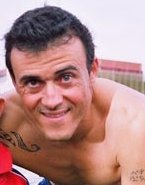
Andrés Escobar
Colombia arrived in the United States as one of the favourites: they'd just hammered Argentina 5-0 in Buenos Aires in qualifying and Pelé had singled them out as title contenders.
They crashed out immediately. In their second game, against the United States, centre-back Andrés Escobar tried to cut out a cross and scored an own goal. Colombia lost 2-1 and were eliminated.
On 2 July 1994, ten days later, Escobar was shot in the car park of a bar in Medellín. He died at 27 years old. His murder shocked the football world and all of Colombia; over a hundred thousand people attended his funeral.
This is the hardest story in this entire series and deserves to be told carefully, because it's often told wrong. Details below, in the documented facts section.
Maradona, sent off
Maradona arrived at his fourth World Cup aged 33 and in form. He scored against Greece and celebrated with that wild-eyed celebration screaming at the camera — another image that went around the world.
After the game against Nigeria, he tested positive for ephedrine and was thrown out of the tournament. He always maintained it came from a supplement they gave him and he didn't know what was in it. His quote from those days is one that stayed with him forever: "they cut off my legs".
Argentina, which had started like a steamroller, fell apart and crashed out in the round of 16.
The most boring final
17 July, Rose Bowl in Pasadena, 94,194 people and hellish midday heat. Brazil 0-0 Italy after 120 minutes. It's the only World Cup final ever to end without a goal.
And it was decided by the first penalty shootout in World Cup final history. Baresi, Massaro and finally Roberto Baggio all missed — Baggio sent his over the bar. The photo of Baggio from behind, hands on hips and head bowed, is one of sport's most iconic images.
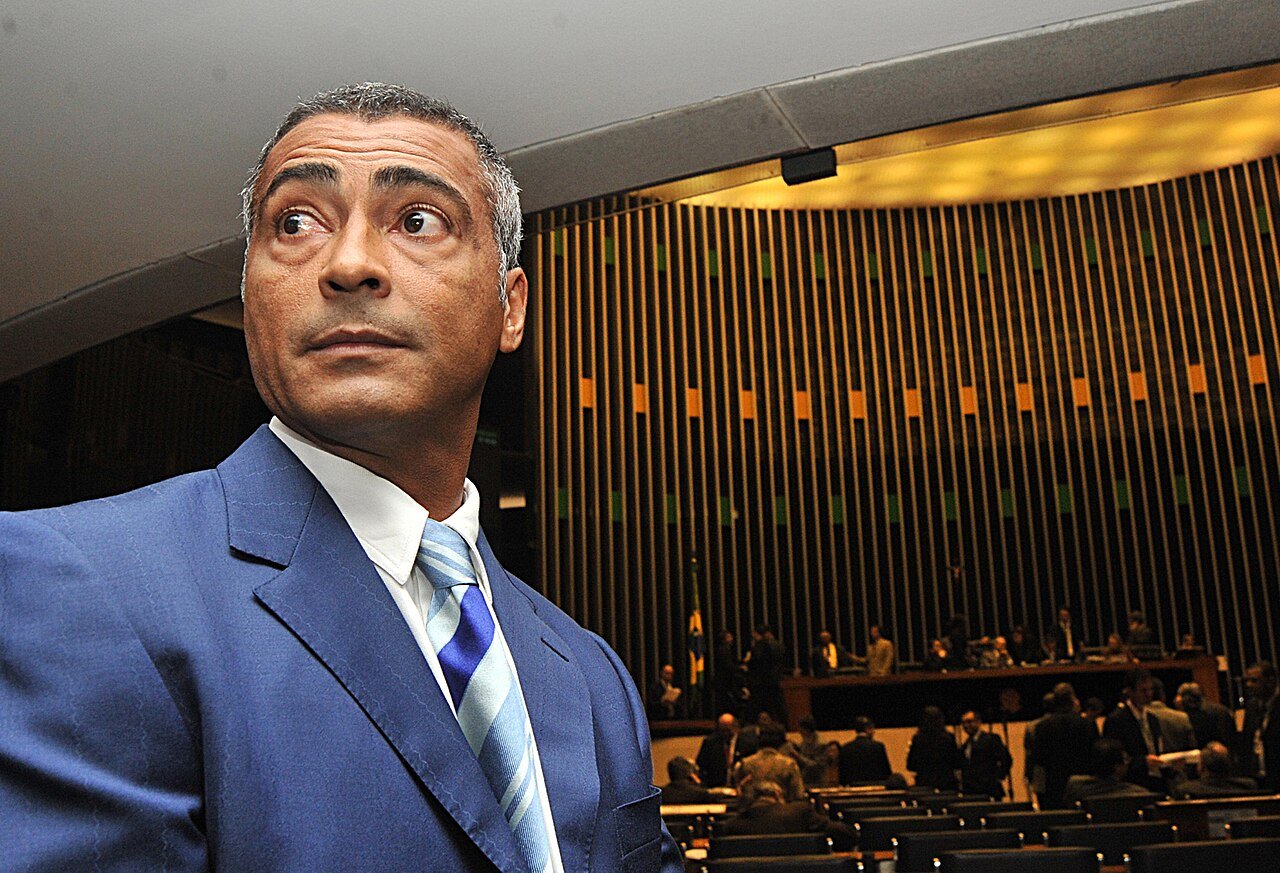
Brazil won their fourth World Cup, twenty-four years after Pelé's. Romário was the tournament's best player, and his celebration with Bebeto rocking an imaginary baby — Bebeto had just become a father — became the most copied celebration in history.
That drug traffickers who had bet money on Colombia executed him as punishment for the own goal, and that the killer shouted "goal" with each shot.
That we need to separate proven facts from repeated claims. Proven: Escobar was shot dead in Medellín on 2 July 1994, ten days after the match; there was a conviction for the crime; those involved were connected to people very close to drug trafficking. Not proven in court: that the own goal or a lost bet was the motive. The version in the judicial record points to a parking lot argument that got out of hand, and the detail about shouting "goal" comes from testimonies that have been repeated for thirty years without any evidence. That Colombian football in those years was rotten by drug trafficking is a fact; that this goal was the direct cause of his death is a simplification that's been told so many times it sounds like a fact. Out of respect for him, it's worth telling it accurately.
That Roberto Baggio cost Italy the World Cup by missing the deciding penalty.
That Italy missed three penalties, not one: before Baggio, Franco Baresi and Daniele Massaro had already missed. And above all: Italy wouldn't have reached that final without Baggio, who scored five goals in the knockout rounds and dragged the team through the round of 16, quarterfinals and semifinals almost single-handedly. Plus he played the final injured, with his thigh strapped. Blaming him for the loss is one of football's most repeated injustices.
That at the opening ceremony Diana Ross missed a penalty and the goal split in two anyway, creating a ridiculous scene.
That it's all true and it was actually planned: the goal was rigged to split in two regardless of whether the ball went in, so when she sent it wide, the set fell apart anyway. It wasn't a technical malfunction of the show: it was a missed goal within a choreography that didn't account for failure. It's become the symbol of how weird that World Cup was.
What lasted
Two records remain standing. First: Russian Oleg Salenko scored five goals in a single match, against Cameroon, something no one else has done in a World Cup — and he finished as joint top scorer with Stoichkov, with six, despite Russia not making it out of the group stage. Second: in that same match, Roger Milla scored at 42 years old and remains the oldest goalscorer in World Cup history.
And there was a rule change that shaped football ever since: they introduced the three points for a win, so that no team would be happy settling for a draw. It came after how dull the 1990 World Cup had been.
- 1994 FIFA World Cup — Wikipedia
- RSSSF — complete tournament data from 1994
- On the murder of Andrés Escobar: here we distinguish what's in the judicial record from what's been repeated for thirty years without evidence. It's the least he deserves.
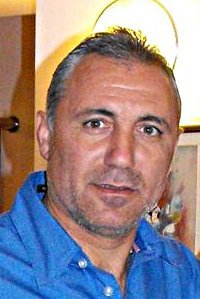
- Note on photos: practically all match footage from 1994 belongs to agencies. The images in this chapter are public domain or Creative Commons and several are portraits taken years later; each caption indicates this.

💬 Comments
Have your say, YouTube-comments style but at home. Be polite — decent folk read this.