1 October: Weah, Africa's first Ballon d'Or
George Weah
«King George»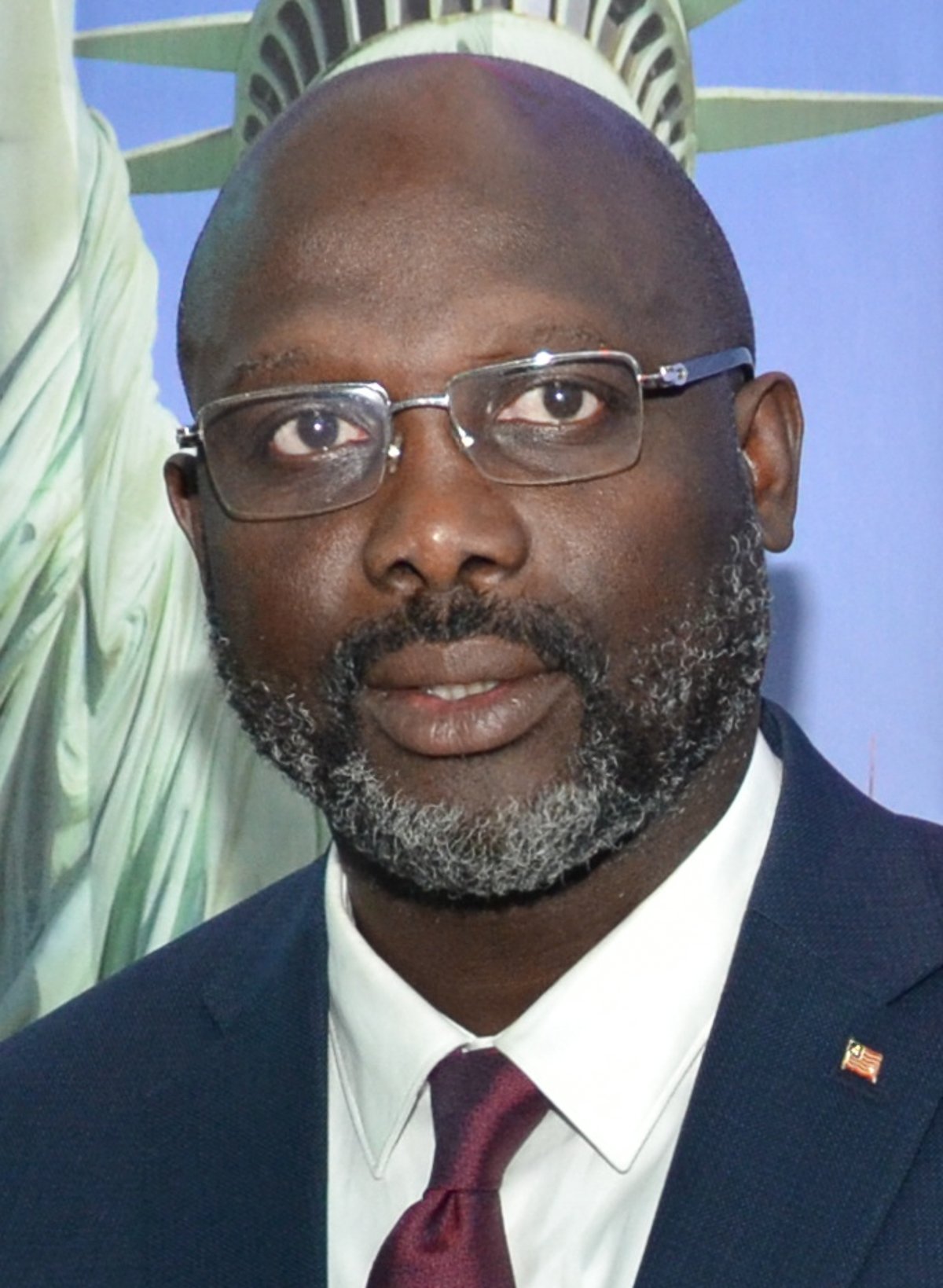
- Young Survivors 1981-1984
- Bong Range United 1984-1985
- Mighty Barrolle 1985-1986
- Invincible Eleven 1986-1987
- Tonnerre Yaoundé 1987-1988
- A.S. Monaco F.C. 1988-1992 · 47 goals
- Paris Saint-Germain FC 1992-1995 · 32 goals
- A.C. Milan 1995-2000 · 46 goals
- Chelsea Football Club 2000 · 3 goals
- Olympique de Marsella 2000-2001 · 5 goals
- Manchester City Football Club 2000 · 1 goals
- Al-Jazira Sporting Club 2001-2003
From Monrovia to Monaco
He grew up in a very poor neighbourhood of Monrovia, the Liberian capital, and played for clubs in his own country and in Cameroon before making the leap. In 1988 he joined Monaco, then coached by Arsène Wenger, who became his great champion. Weah has said it many times: without the coach who trusted an unknown kid, there would have been no career.
At Monaco he won the 1991 Coupe de France and began to make a name as a different kind of striker: powerful, lightning quick, able to take the ball in his own half and go through on goal alone.
PSG and the big year
In 1992 he moved to Paris Saint-Germain, with whom he won the 1994 league title and two cups. The 1994-95 season was his European breakthrough: PSG reached the Champions League semi-finals and Weah was the tournament's top scorer.
That summer he joined Milan, and at the end of the year the award arrived. 1995 was the first Ballon d'Or open to players of any nationality playing in Europe, and the first to take advantage was him. He also won FIFA's award for the best player in the world.
The goal against Verona
With Milan he won Serie A in 1996 and 1999. His most famous goal came in September 1996, against Verona at San Siro: he picked the ball up in his own box after an opposition corner, ran the length of the pitch past half their team and scored. It is still shown as an example of what Weah was: a striker who needed nobody.
He later had short spells at Chelsea, Manchester City and Marseille. For years he paid many of the Liberian national team's expenses out of his own pocket, and with them he fell one point short of the 2002 World Cup. Later he went into politics in his country, where he became president, and his son Timothy has played at a World Cup for the United States.
Also born on 1 October
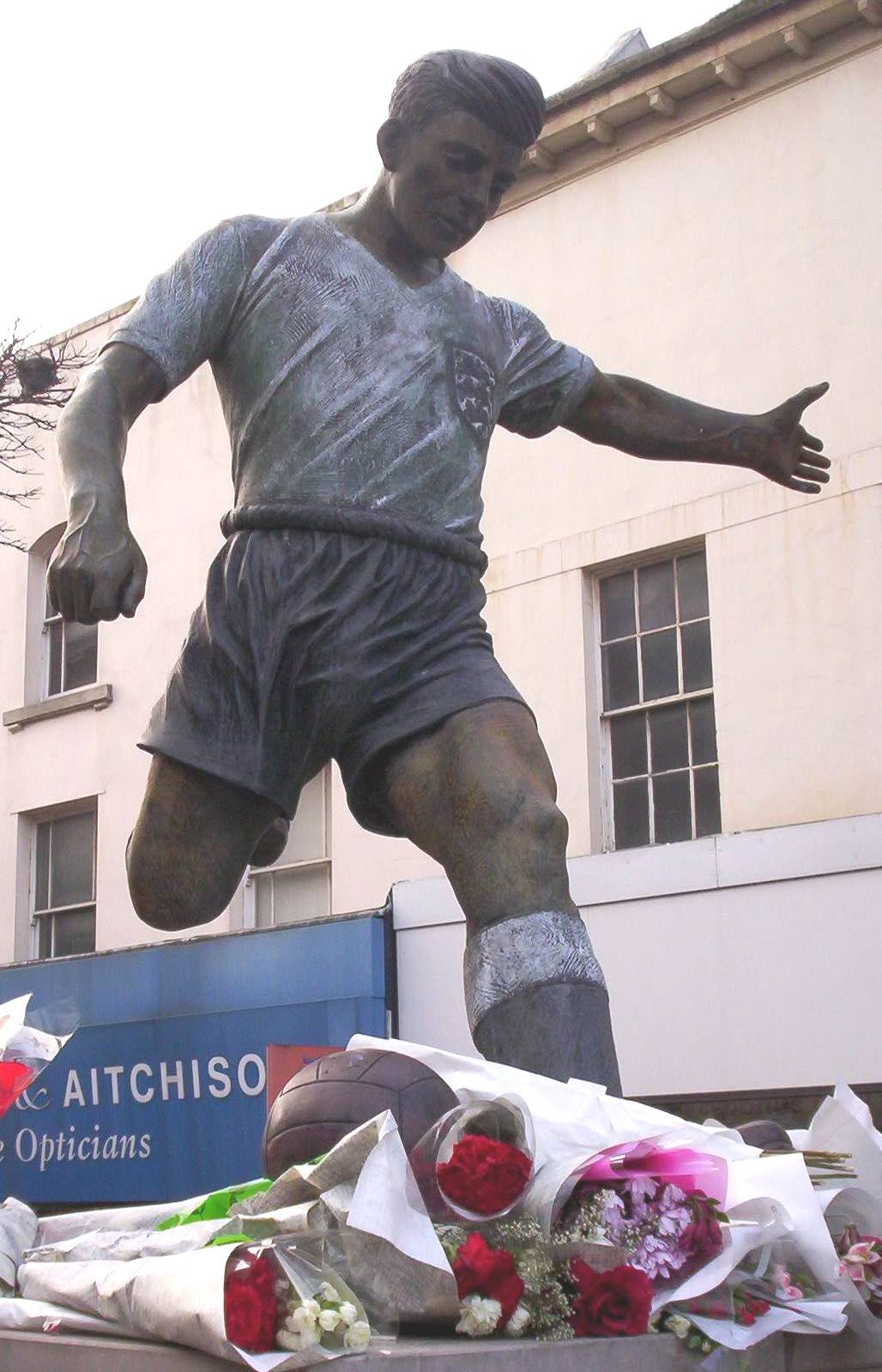
Duncan Edwards, the one who never got to be
A midfielder of the Busby Babes, Matt Busby's young Manchester United who won the English league in 1956 and 1957. He made his England debut at eighteen, and those who saw him play, Bobby Charlton first among them, always said he was the best footballer they had ever known.
On 6 February 1958 the plane bringing the team back from a European Cup tie in Belgrade crashed on take-off in Munich. Edwards survived the crash but died fifteen days later in hospital. He was twenty-one.
- Manchester United Football Club 1953-1958 · 20 goals
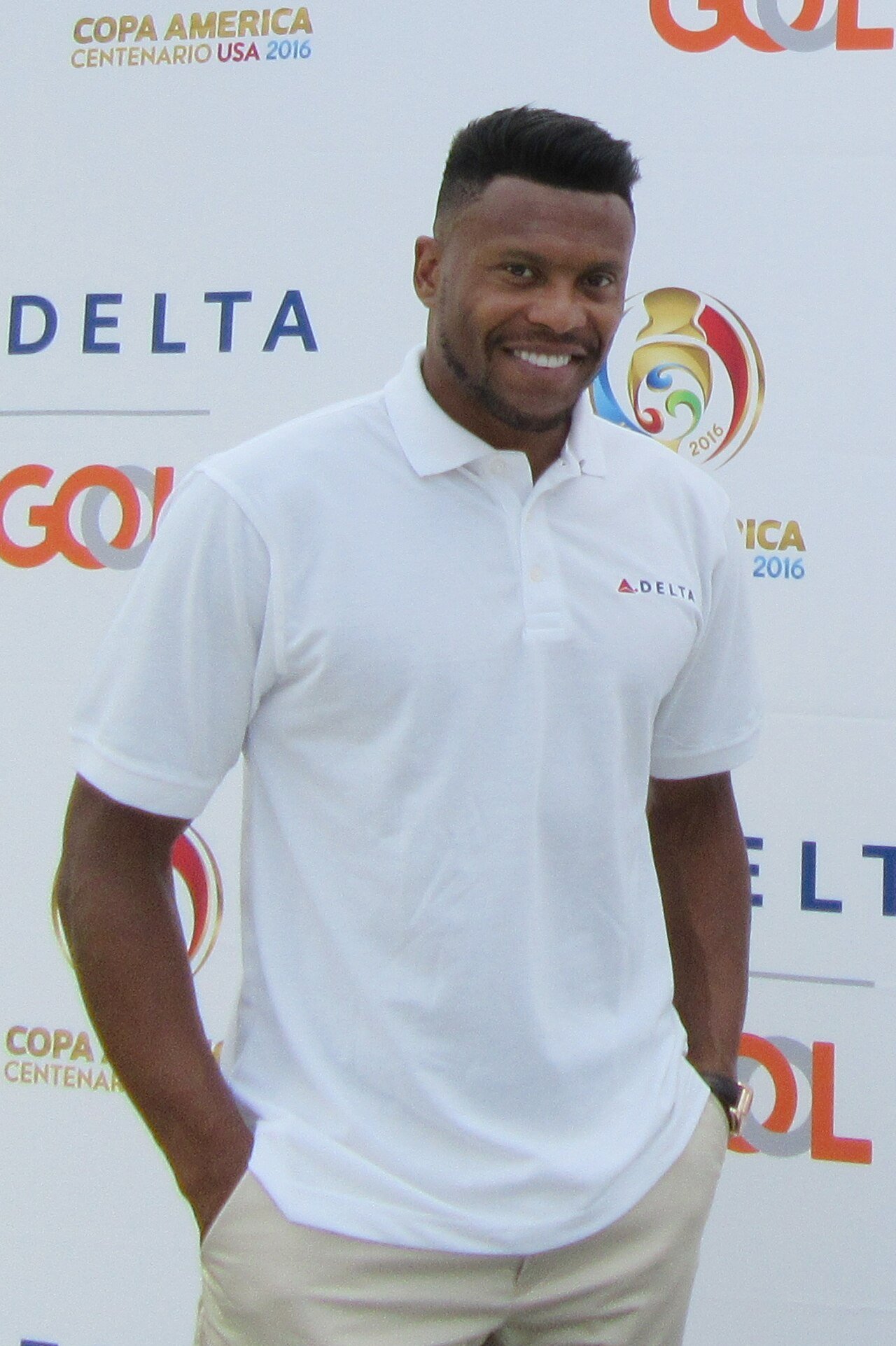
Júlio Baptista, the Beast
He arrived at Sevilla in 2003 as a midfielder and turned into a fearsome goalscorer: in his two seasons at the Sánchez-Pizjuán he scored more than forty goals and earned the nickname «the Beast». He then played for Real Madrid, Arsenal, Roma and Málaga, and won the 2007 Copa América with Brazil.
- São Paulo Futebol Clube 2000-2003 · 7 goals
- Sevilla Fútbol Club 2003-2005 · 38 goals
- Real Madrid Club de Fútbol 2005-2008 · 11 goals
- Arsenal Fútbol Club 2006-2007 · 3 goals
- A.S. Roma 2008-2011 · 12 goals
- Málaga Club de Fútbol 2011-2013 · 14 goals
🔴⚪ Sporting Gijón players born this day
They played for Sporting Gijón and were born on this same day. There is only their data here: we would rather name them than leave them out, and rather give the bare facts than invent a story.
Belarmino Castro González 🔴⚪
- Real Sporting de Gijón
- Real Betis Balompié
- Real Oviedo
- Fútbol Club Barcelona
Another 38 internationally known footballers were born on this day. We do not list them for the sake of it: only those with a story to tell make it here.
📅 The almanac: pick any date
Every day of the year has its story. Highlighted days are already out: click to see who was born or what happened on that date. The faded ones go live on their day, at midnight (Spain time). 15 published.
Football almanac · Elopi23
January
Nothing from this month is out yet. One goes live each day, on its own date.
February
Nothing from this month is out yet. One goes live each day, on its own date.
March
Nothing from this month is out yet. One goes live each day, on its own date.
April
Nothing from this month is out yet. One goes live each day, on its own date.
May
Nothing from this month is out yet. One goes live each day, on its own date.
June
Nothing from this month is out yet. One goes live each day, on its own date.
July
Nothing from this month is out yet. One goes live each day, on its own date.
August
Nothing from this month is out yet. One goes live each day, on its own date.
September14 ★
- 11 September: Ruud Gullit
- 1111 September: Franz Beckenbauer
- 1818 September: Ronaldo
- 2020 September: Henrik Larsson
- 2121 September: Sándor Kocsis
- 2222 September: Thiago Silva
- 2323 September: Quini
- 2424 September: Marco Tardelli
- 2525 September: Karl-Heinz Rummenigge
- 2626 September: Michael Ballack
- 2727 September: Francesco Totti
- 2828 September: Javi Poves
- 2929 September: Andriy Shevchenko
- 3030 September: Frank Rijkaard
October1 ★
November
Nothing from this month is out yet. One goes live each day, on its own date.
December
Nothing from this month is out yet. One goes live each day, on its own date.
★ published · ✎ written, waiting for their day · the red circle is today
A new one goes live every day at midnight (Spain time). We will let you know in your browser, and also when there is a new article. Turn it off whenever you like.
Dates, clubs, individual awards and photos come from Wikidata and Wikimedia Commons, under free licences, and update themselves. Ages are not written anywhere: they are calculated the moment you open the page, so this page always shows the right age, this year and twenty years from now. If any of these players signs for another club or wins an award, their profile picks it up on its own. What is written by hand is the story and the judgement: who the day belongs to, and why.