20 September: Larsson, the substitute who decided a final
Henrik Larsson
«the dreadlocks of Celtic Park»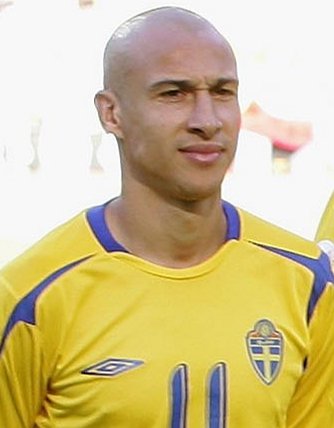
- Högaborgs BK 1977-1988
- Högaborgs BK 1988-1992 · 23 goals
- Helsingborgs IF 1992-1993 · 50 goals
- Feyenoord Rotterdam 1993-1997 · 26 goals
- Celtic Football Club 1997-2004 · 174 goals
- Fútbol Club Barcelona 2004-2006 · 13 goals
- Helsingborgs IF 2006-2009 · 38 goals
- Manchester United Football Club 2007 · 1 goals
- Råå IF 2012
- Högaborgs BK 2013
From Helsingborg to Glasgow
The son of a Swedish mother and a Cape Verdean father, he grew up in Helsingborg, in the south of Sweden, and did not break through early: he played for Högaborg and Helsingborgs before Feyenoord noticed him at twenty-three.
In the Netherlands he was a decent striker and little more. What changed his life was moving to Scotland in 1997, to a Celtic side that had gone nine years without the league and was about to watch its great rival win a tenth in a row.
His debut was a disaster: one of his passes led to an opposition goal. Seven seasons later he left with 242 goals, four league titles and the title of King of Kings, which is still what they sing at Celtic Park.
The leg
In October 1999, in a UEFA Cup game in Lyon, his leg got caught in a challenge. It was a double fracture and the pictures were never shown in full. He was twenty-eight and retirement was openly discussed.
He was out for eight months. He came back for the 2000-01 season and scored fifty-three goals in all competitions, won the league, the cup and the league cup, and took the European Golden Shoe. There are not many comebacks like that in football history.
In 2003 he took Celtic to the UEFA Cup final in Seville. They lost 3-2 to Mourinho's Porto after extra time. Larsson scored both Celtic goals, both headers.
Paris, 17 May 2006
He joined Barcelona in 2004, aged thirty-two and on a free. He won two league titles, mostly as Eto'o's understudy, and his last game in blaugrana was the Champions League final against Arsenal.
Barcelona were 1-0 down. He came on in the 61st minute. In five minutes he changed the game: first he laid on the equaliser for Eto'o with a touch and a pass into space, and then, in his last action as a Barça player, he played a back-heeled pass with his back to goal for Belletti to make it 2-1.
Ronaldinho, who won the Ballon d'Or that year, summed it up afterwards: people talked about him and about Eto'o, but the man who won the final was Larsson. He came on as a substitute in his last game and took the European Cup by deciding it.
The last favour
He went back to Sweden, to Helsingborgs, and that is where it would have ended had Manchester United not asked to borrow him for ten weeks in the winter of 2007, taking advantage of the Swedish league's break. He played thirteen games, scored three goals and went home on the day he said he would, turning down the extension he was offered. Ferguson spent years telling the story as an example of professionalism.
For Sweden he won 106 caps and scored 37 goals, playing in three World Cups and three European Championships. He finally retired in 2013 at Högaborg, his neighbourhood club, where it had all started.
Also born on 20 September
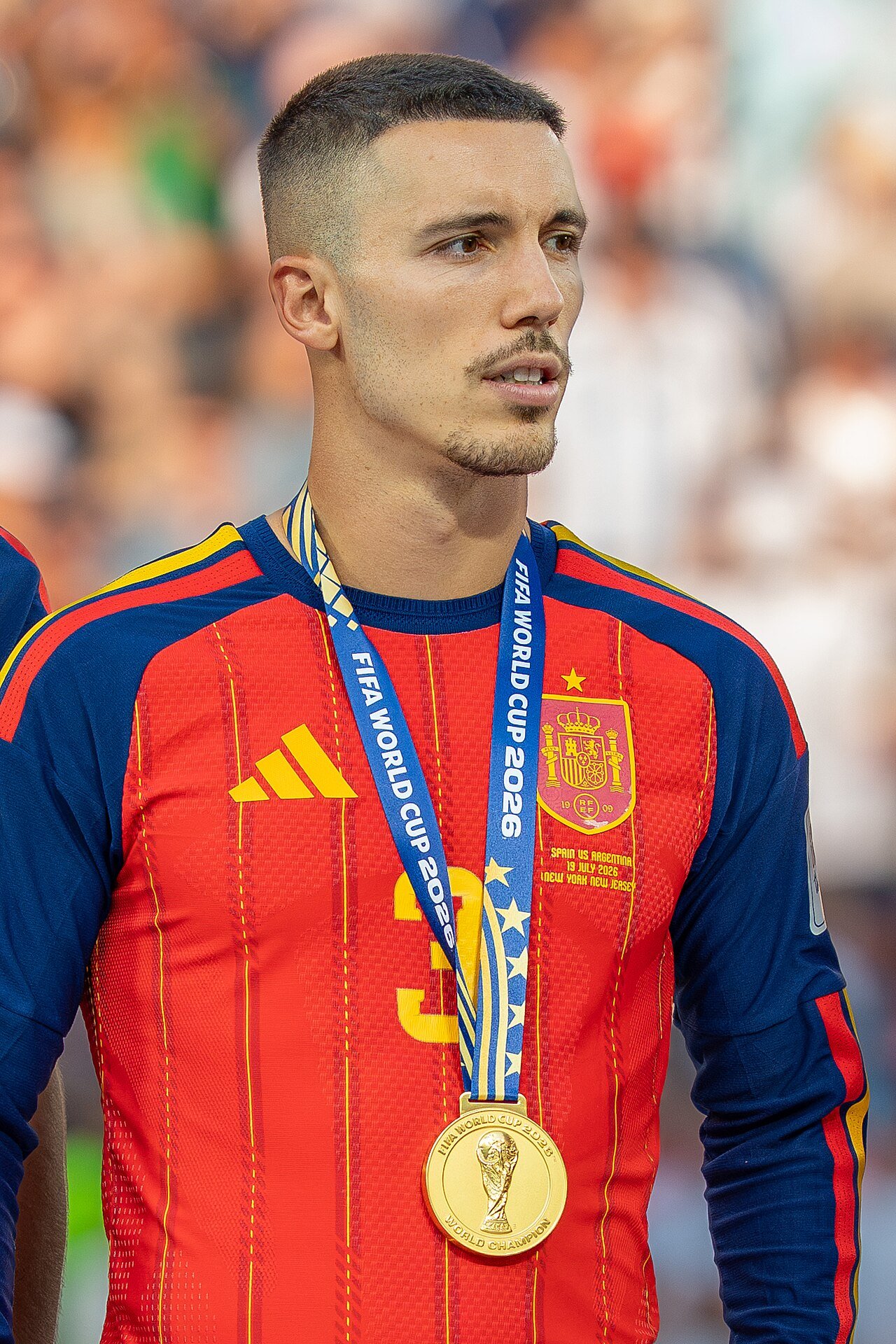
Álex Grimaldo, the full-back who never misses a free kick
From Valencia and a product of La Masia, he left Barcelona at nineteen because he could see no way into the team, and went to Benfica, where he stayed seven seasons.
In 2023 he joined Xabi Alonso's Bayer Leverkusen and found himself inside one of the strangest seasons in memory: Leverkusen won the 2023-24 Bundesliga without losing a single game, ending eleven years in a row of Bayern titles. Grimaldo, from left-back, finished with a winger's numbers.
He is one of the best direct free-kick takers in European football today, and that in a position where nobody usually asks you to score.
- Valencia Club de Fútbol Mestalla 2006-2008
- Fútbol Club Barcelona Juvenil "A" 2008-2012
- Fútbol Club Barcelona Atlètic 2011-2015 · 6 goals
- Sport Lisboa e Benfica 2016-2023 · 19 goals
- Bayer 04 Leverkusen 2023-2026 · 20 goals
- Atlético de Madrid since 2026
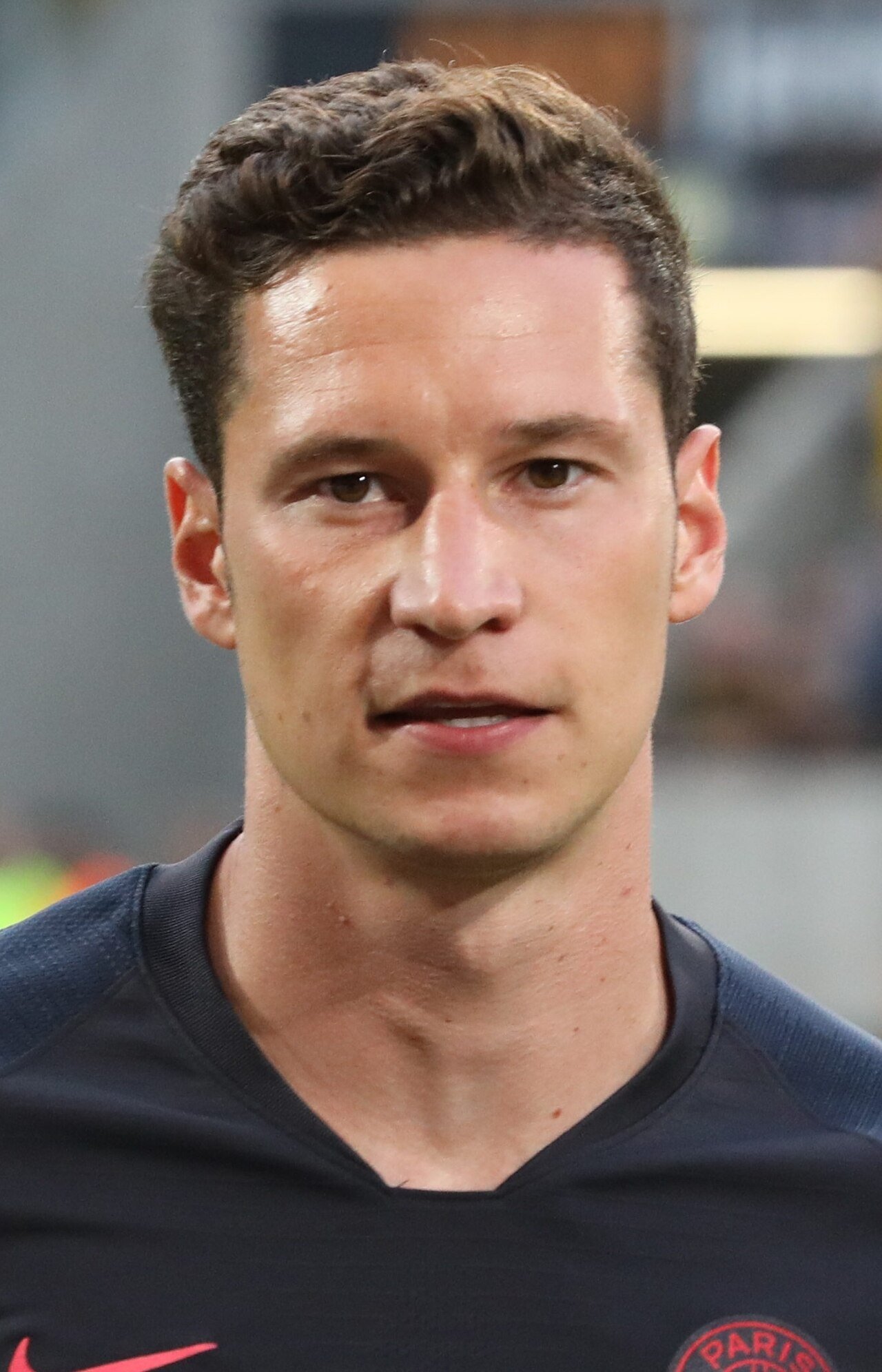
Julian Draxler, the eternal promise
He made his Bundesliga debut for Schalke at seventeen and by twenty was already a world champion with Germany, in Brazil 2014, although he did not play in the final.
He was going to be the player of Germany's decade. He went through Wolfsburg and PSG and won everything in France, and yet he never quite became the footballer everyone expected. In 2017 he was the best player at the Confederations Cup that Germany won, and that was his ceiling.
He is a good reminder that in football the hard part is not getting there at eighteen: it is still being there at twenty-eight.
- FC Schalke 04 2011-2015 · 18 goals
- VfL Wolfsburgo 2015-2016 · 5 goals
- Paris Saint-Germain FC 2017-2023 · 17 goals
- Sport Lisboa e Benfica 2022-2023 · 1 goals
- Al-Ahli SC Doha since 2023 · 18 goals
A new one goes live every day at midnight (Spain time). We will let you know in your browser, and also when there is a new article. Turn it off whenever you like.
Dates, clubs, individual awards and photos come from Wikidata and Wikimedia Commons, under free licences, and update themselves. Ages are not written anywhere: they are calculated the moment you open the page, so this page always shows the right age, this year and twenty years from now. If any of these players signs for another club or wins an award, their profile picks it up on its own. What is written by hand is the story and the judgement: who the day belongs to, and why.